
For the right sleeper, hybrid mattresses are worth it, but choosing a mattress isn't simple. After all, you spend a third of your life sleeping. Your mattress needs to perform and hold up over time, so decision paralysis is understandable.
Hybrid and all-foam are the most popular mattress options, and both types work well under the right conditions. Hybrids cost more, weigh more, and often promise more. The question is whether they’re right for you.
This article covers when a hybrid is worth every dollar, when all-foam wins out, and what the difference actually is.
Key Takeaways
Hybrid mattresses combine cushioning foam with an innerspring coil system, giving sleepers a balance of pressure relief, responsive support, airflow, and easier movement.
Hybrids are often worth the added cost for hot sleepers, couples, combination sleepers, and people who want pressure relief without the deep “sink” of an all-foam mattress.
All-foam mattresses can be the better value for budget-conscious or solo sleepers, people who prefer the classic memory foam hug, and those who prioritize maximum motion isolation.
Not all hybrids perform equally. Firmness, comfort-layer quality, foam density, coil construction, and independent performance testing matter more than simply choosing a mattress labeled “hybrid.”
What is a hybrid mattress?
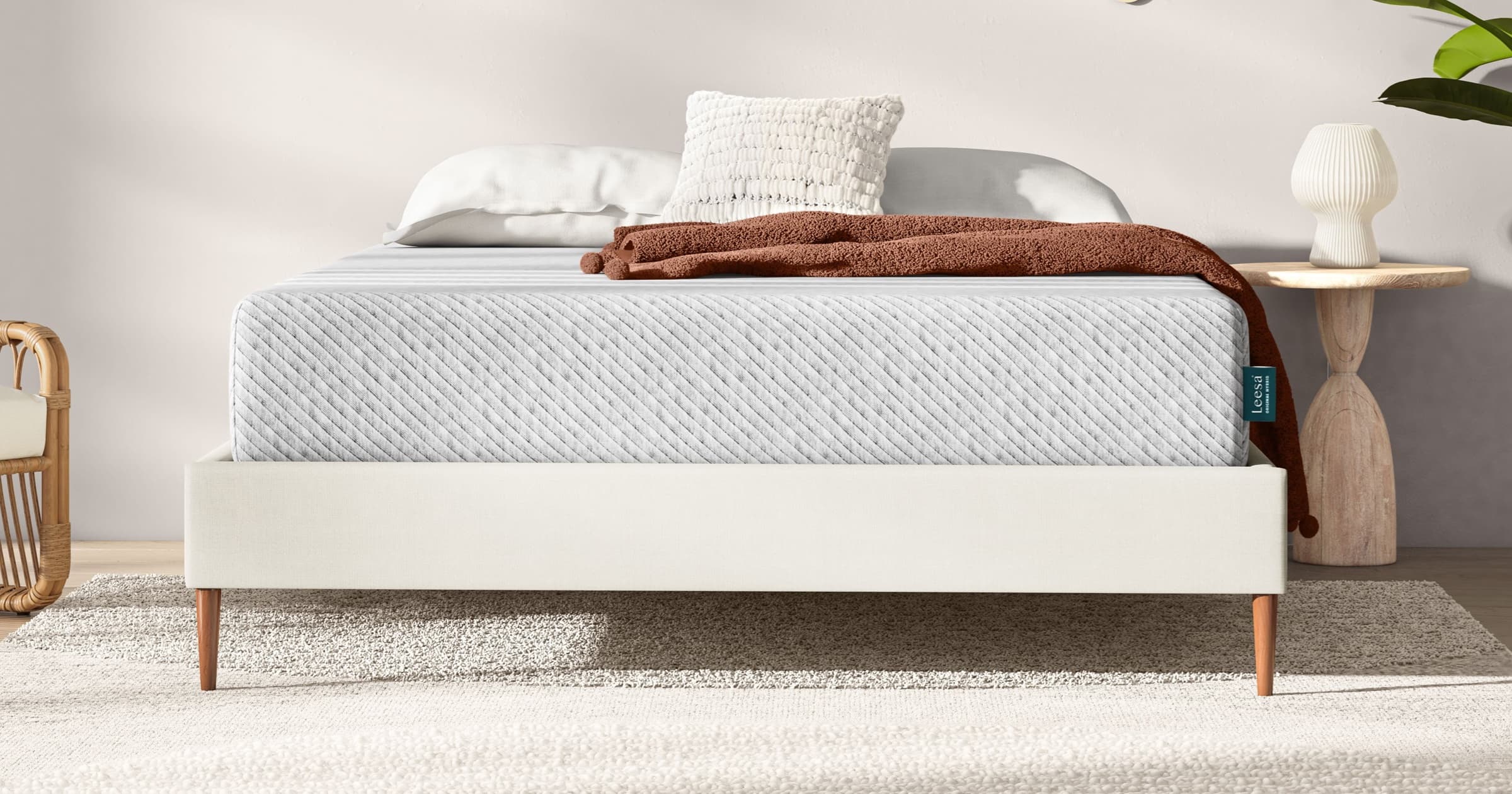
A hybrid mattress combines multiple materials and support systems in one bed. It features body-contouring memory foam and cooling layers over a supportive base of innerspring coils.
Essentially, it’s a hybrid of traditional innerspring mattresses, made with interconnected coils and minimal foam, and memory foam mattresses, made with no coils and stacked high-density foams. Hybrids typically have more layers than traditional models, including:
Pocketed coils layer
Transition foam layer
Comfort layer
Breathable cover
These layers work together to balance cushioning, support, airflow, and responsiveness. Mattress companies like Leesa use only CertiPUR-US certified foams and fiberglass-free construction.
Hybrid vs all foam mattress
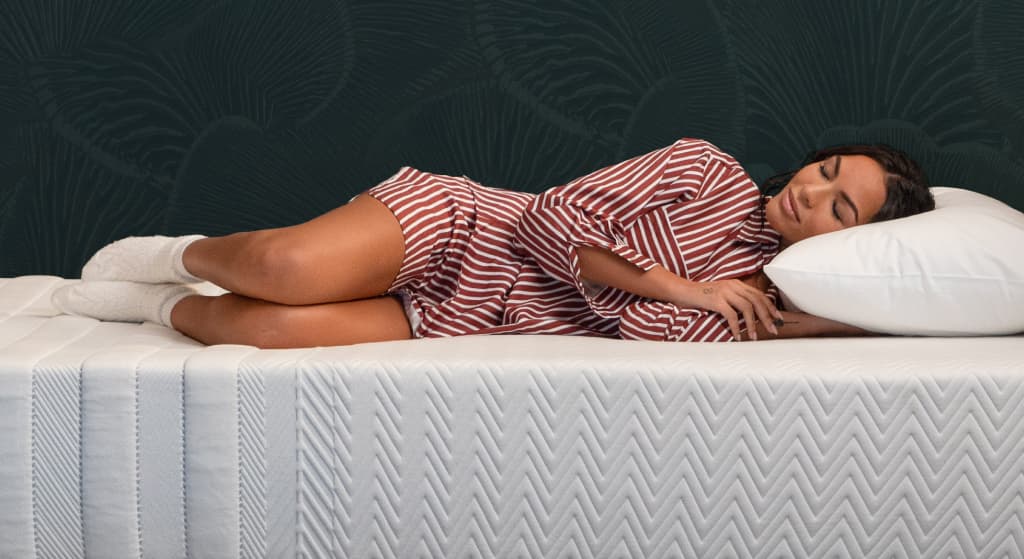
Hybrid and all-foam mattresses have obvious construction differences, but there’s also a different feeling associated with each mattress. It’s tough to describe, but all-foam mattresses create more of an “in the bed” feel, with foam snuggling closely around your body. Hybrids offer more of an “on top of the bed” feel, with cushioning foam and coils providing more pushback.
Not everyone wants to be swallowed by their mattress, but lighter folks may not feel as much of foam's natural cradling tendency. All-foam mattresses also excel at deep pressure relief and motion absorption, making them a solid choice for side sleepers.
In contrast, physically heavier sleepers may feel eaten by an all-foam design, but find perfect contouring comfort in a hybrid. Hybrids are also especially appealing to hot sleepers and combination sleepers.
At Leesa, both mattress options are covered. The Leesa Original and Studio Mattresses offer the contouring comfort and motion isolation of an all-foam design. Leesa also offers a wide range of hybrid mattresses that add responsive springs for extra support and airflow. The better choice depends on you and your sleep needs.
Pros and cons of hybrid mattresses
Deciding whether to buy a hybrid mattress or an all-foam is a deeply personal decision that should be based on your sleep preferences, budget, and sleep partners.
Pros | Cons |
Hybrids are great for sleepers who want pressure relief without feeling stuck and sucked onto their mattress. | Hybrids may not work as well for naturally chilly sleepers who prefer sinking into a mattress. |
|
|
Hybrids are worth it if you want more responsive support and comprehensive pressure relief. | Hybrids might not be worth it if you’re on a budget or you want to “sink” more into your mattress. |
We’ll discuss the three defining hybrid mattress features that make these beds worth it.
Joints and pressure point relief
One of the most important bed factors for joint and pressure-point relief is bed firmness. Medium to medium-firm beds provide the most pain relief for most sleepers. Besides firmness, the memory foam and zoned pocketed coils work together to support sleepers in a variety of sleep positions.
Transition innerspring coils are made from a single wire shaped into connected S-shaped coils. They’re durable, but they are less responsive than individually pocketed coils. These springs are wrapped in their own fabric pocket, allowing them to move independently for better motion isolation, responsiveness, and targeted support.
Leesa’s Sapira Hybrid Mattress is a great example of superior pocket coil technology. This bed has over 1,000 premium-grade steel springs that respond independently to your every movement.
Heat retention and hot sleepers
No one wants to spend their night sweating. Modern all-foam mattresses use materials like gel-infused memory foam or cooling GreenFlex® Foam to promote a cool, breezy night’s sleep. However, for the extra-hot sleeper, this may not be enough.
Bed coils leave open air space within the mattress itself. This promotes airflow and heat dissipation. All coil types limit mattress heat retention, but pocketed coils are best for contouring, so you get a cooling, supportive night’s sleep.
Some hybrid mattresses are specially designed with features like a cooling quilt top that keep sleepers extra comfortable throughout the night.
Controlled motion transfer and edge support
Couples and those co-sleeping with children need motion isolation and edge support. Controlled motion transfer from pocketed coils helps keep you asleep when your partner goes to the bathroom for the thousandth time. Edge support refers to the reinforced perimeter coils that stop the edge of the bed from sloping down. You end up with a more usable sleeping surface, especially on full and queen.
All-foam still wins on absolute motion absorption, but hybrids narrow the gap while keeping responsiveness and superior edge support.
The best sleep positions for hybrid mattresses
Each sleeping position has variations, but there are four main sleep categories: side, back, stomach, and combination sleeping. Side sleeping is the most common position, but all positions are valid, and sleepers need a mattress that’s especially attuned to them.
Here’s what you need to know about each sleep style and its compatibility with hybrid beds.
Side sleepers: Look for a medium-firm hybrid with a thicker comfort layer that cushions the shoulders and hips.
Back sleepers: A medium- to medium-firm hybrid can support your spine without sacrificing comfort. Zoned support also helps by keeping your spine straight.
Stomach sleepers: This position isn’t great for spinal alignment, but a firmer hybrid combined with a low-loft pillow under your pelvis can help prevent hip sink.
Combination sleepers: Do you switch sleep positions throughout the night? Hybrid beds are responsive, making it easier to change positions.
How to choose the right hybrid mattress for you
The best hybrid mattress isn’t simply the one with the most layers, coils, or fancy-sounding foam. It’s the one that supports your body, sleep position, and comfort preferences. Before you shop, decide what matters most. Is it staying cool, getting extra pressure relief, limiting motion from a partner, or sticking to a certain budget?
Here’s what to consider when narrowing down your options.
1. Start with your sleep priorities
Rank cooling, firmness, pressure relief, motion isolation, and price based on what matters most to you.
2. Match firmness to your sleep position and body weight
Side sleepers typically need more cushioning around the shoulders and hips, while back and stomach sleepers generally benefit from firmer support that helps keep the spine aligned. Body weight matters, too: The same mattress can feel softer to a heavier sleeper and firmer to a lighter one.
3. Look at pressure relief, not just the firmness label
Two “medium-firm” mattresses can feel completely different, since there's no technical industry standard for firmness. Check how the comfort layers contour around the areas that bear the most pressure in your preferred sleeping position, such as the hips and shoulders for side sleepers.
4. Take a closer look at construction
Not all hybrids are built the same. More affordable models may use thinner comfort layers, lower-density foams, or less durable coil systems to cut costs. Keep in mind that, despite coils, extra-thick layers of heat-retaining foam can still leave you feeling toastier and uncomfortable.
5. Look for independent performance testing
Third-party lab results can provide more useful information than marketing claims alone. Compare results to make a more objective decision. Look for mattress companies like Leesa that independently lab-test mattress performance. The Leesa Sapira Hybrid's peak temperature was among the lowest maximum temperatures the lab had ever tested.
6. Read reviews with your own sleep habits in mind
Real-world reviews can be particularly useful for evaluating qualities like motion transfer, temperature regulation, edge support, and how a mattress feels after months of use. A claim on a website is helpful, but hearing from someone who actually got pain relief from the mattress is better.
7. Give yourself time to decide
A few minutes lying on a showroom mattress can tell you whether a bed is immediately uncomfortable, but it can’t replicate eight hours of sleep night after night. That’s why at-home trial periods matter. Leesa mattresses come with free shipping and an at-home 365-night free trial, giving you time to see how the mattress performs in your actual bedroom, not under showroom lights with a salesperson standing six feet away.
When possible, give your new mattress at least 30 nights before deciding whether it’s the right fit. Your first impression matters, but your 30th night knows you a little better.
Hybrid mattress lifespan
Both all-foam and hybrid mattresses typically last about 7-10 years, with a quality hybrid mattress lasting well over that 10 year mark. Factors that influence longevity include:
Construction quality: This includes coil materials and foam density
Supportive base: A bed sitting on the floor won’t last as long as one on a supportive frame.
Care and maintenance: Yes, even beds need to be cleaned per the manufacturer's instructions.
Sleeping habits: Co-sleeping with kids and/or pets will wear out your mattress faster.
When a hybrid is and isn't the best value
The reality is that hybrid and all-foam mattresses can both deliver great sleep. The better value depends on what you need from your bed. Leesa generally recommends a hybrid for hot sleepers, couples, combination sleepers, and anyone who wants pressure relief without the deep sink of traditional memory foam.
On the other hand, an all-foam mattress may make more sense if you're shopping on a tighter budget, sleep solo, love that classic memory foam hug, or simply don't struggle with sleeping hot. Why pay for features you don't need?
Whichever direction you go, Leesa builds value into the layers that matter. Depending on the mattress, that can include cooling covers, individually wrapped pocket springs, pressure-relieving foams, and independently tested, certified materials designed for safer sleep.
Explore Leesa’s hybrid and all-foam mattresses to find the combination of comfort, support, and value that fits the way you actually sleep.