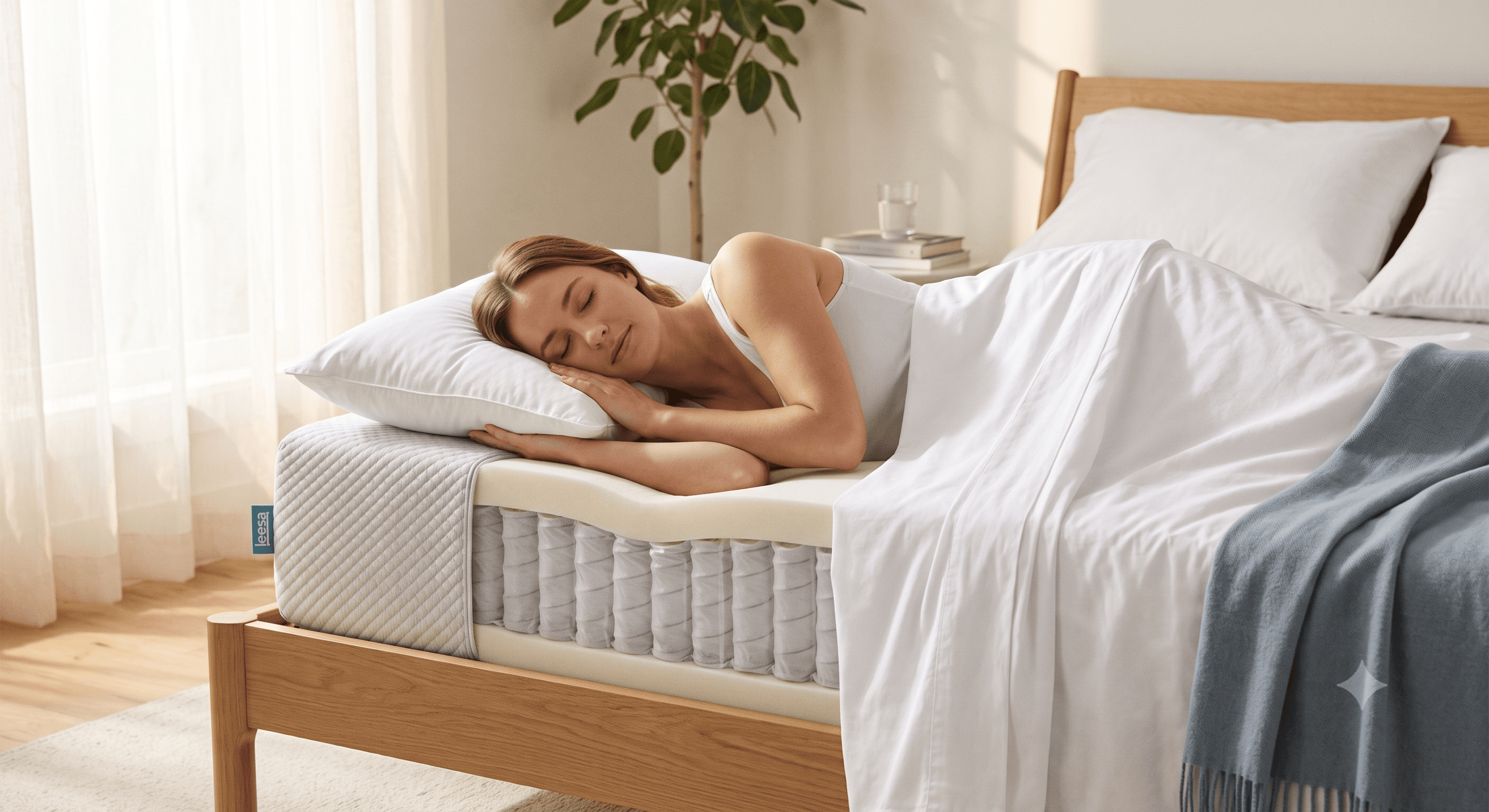

Side sleeping is the golden child of sleep positions. Side sleepers may get better rest and reduced risk for sleep ailments like sleep apnea. Sleeping on your side isn’t all rainbows and sunshine, though, and side sleepers need to be aware of the potential drawbacks, like chronic shoulder pain.
The right pressure-relieving mattress can be the ideal sleep-time partner for all side sleepers, alleviating pain and removing risk. Get the information you need to improve your sleep life and get back to pain-free mornings.
Key Takeaways
Side sleeping is the most common sleep position, but it concentrates pressure on the shoulders and hips, which can cause or worsen pain if your mattress lacks proper contouring.
The wrong mattress firmness is one of the most common and fixable causes of shoulder pain in side sleepers.
The best mattress for side sleepers with shoulder pain provides medium to medium firm support.
Memory foam and hybrid mattresses outperform traditional innerspring.
Leesa mattresses are consistently rated for shoulder and hip pressure relief, with options ranging from the all-foam Original to the Sapira Chill Hybrid.
What’s up with side sleepers and shoulder pain?
Side sleeping is the most common sleeping position and one of the healthiest positions for reducing snoring, promoting blood flow, and easing neck and back pain. Side sleeping is usually considered the best position for proper spinal alignment and nighttime breathing.
This is why many side sleepers are confused when they wake up with an aching, tender shoulder. If side sleeping is so good for you, then why are you in pain?
The issue here is side sleeping concentrates your body weight onto two narrow contact points: the shoulder and the hip. Issues like a hard, non-contouring mattress or poor sleeping posture can increase pressure at the joints throughout the night. This sustained pressure leads to problems like:
Restricted blood flow
Compressed soft tissue
Increased inflammation
The problem compounds over time; what starts as occasional morning stiffness can develop into chronic shoulder pain.
Conditions affecting side sleepers
For those with glaucoma, an eye disease that damages the optic nerve, side sleeping may increase pressure in the lower eye. If you have glaucoma in one eye, doctors generally recommend sleeping with the affected eye facing up or sleeping on your back. This alleviates pressure in the affected eye.
For those with a rotator cuff injury, which is damage or inflammation to the rotator cuff tendon, side sleeping may not be the best option. Many sleepers with rotator cuff tears prefer sleeping on their back or on their non-affected shoulder, propping themselves up with a pillow. The same goes for other shoulder problems like shoulder bursitis and shoulder strains.
The last thing you want is to fall onto your torn shoulder in the middle of the night.
What causes shoulder pain in side sleepers
Shoulder pain may feel completely random, but side sleepers can usually trace their pain back to a specific cause.
Mattress related causes
Like many sleep challenges, your beloved mattress may be the root of the issue.
Too Firm: A mattress that is too firm pushes back against the shoulder instead of letting it sink in, creating a concentrated pressure point.
Too Soft: A mattress that is too soft lets the entire body sink unevenly, pulling the spine out of neutral alignment and leading to chronic pain.
Too Old: Mattresses older than 10 years may lose their ability to contour and support, leading to uneven pressure distribution.
Other factors, like the type of mattress, may be the source of your nightly pain. Traditional innerspring mattresses with limited comfort layers are common culprits because the coils create hard spots under the shoulder and hip.
Sleep habit causes
Sometimes your shoulder and mattress aren’t the problem; your sleep habits are.
Always Sleeping on the Same Side: Your favorite side may be doing you dirty. Night after night, the same shoulder bears the pressure, leading to extra wear and irritation.
Sleeping With Your Arm Under Your Head or Pillow: It might feel cozy at first, but it compresses the shoulder joint and can leave you waking up sore.
Using the Wrong Pillow Height: A pillow that's too high or too low throws your neck out of alignment.
Tucking Your Arm Under Your Body: This position puts direct pressure on the rotator cuff and can restrict circulation, making stiffness and discomfort more likely by morning.
When to see a doctor
After a fall or other accident, it’s probably best to see a doctor immediately. For shoulder pain that comes and goes after sleeping, these are the signs to schedule an office visit.
Swelling around the shoulder
Redness, warmth, or tenderness near the joint
Pain that continues to worsen
Increasing difficulty moving your shoulder
You should not be living in pain. Put your health first and seek professional attention to reduce shoulder pain.
What to look for in a mattress for side sleeper shoulder pain
Your mattress should be your happy place. It’s where you drift off into a pleasant dreamland and wake up refreshed and ready for the day. These are the mattress factors to keep in mind.
Firmness level
Medium to medium firm is the sweet spot for most side sleepers with shoulder pain, roughly 5 to 6.5 on a 10-point firmness scale. This is the Goldilocks zone, since a firm mattress may create pressure points at the shoulder and hip, and a soft mattress leads to uneven sinkage. However, there are exceptions.
Lighter side sleepers under 130 pounds may benefit from slightly softer options for adequate shoulder sinkage. Heavier side sleepers over 230 pounds may need medium firm to prevent excessive sinking at the hips while still getting shoulder relief.
Pressure relief and contouring
A mattress should cradle your shoulders and relieve pressure without leaving the rest of your body behind. Here’s what to look for:
At least 3 to 4 inches of contouring comfort layers above the support core.
Memory foam that distributes pressure across a wider area instead of concentrating it.
Zoned support systems that are softer at the shoulders and firmer at the hips.
It doesn’t matter whether you have a firm or soft mattress. All mattresses need to deliver targeted relief via proper contouring. 3-4 inches of comfort layers and memory foam are a must. Zoned support is an added perk.
Support core
The support core or support layer is the part of a mattress that provides structure. A strong support core prevents the mattress from bottoming out under your body weight. Excellent contouring means nothing without quality support.
Look for individually wrapped coils that provide targeted support and allow each area of the body to sink independently. Dense memory foam can also provide helpful support. Side sleepers may also prefer edge support, which boosts structure at the sides of the bed and helps prevent rolling.
Cooling and breathability
Side sleepers aren't necessarily as heat-prone as back and stomach sleepers, but some folks just run hot and benefit from cooling mattress technology. Overheating can also cause restlessness and more position changes, which can aggravate shoulder pain. Look for the following mattress features that keep you cool.
Cooling covers
Gel-infused foams
Coil-based airflow systems
Breathable materials
Is memory foam or hybrid better for shoulder pain?
We’re not even considering traditional innerspring mattresses. Side sleepers with shoulder pain need the kind of lasting support that’s only available in all-memory foam and hybrid mattresses.
The short answer is both mattress types are excellent choices for eliminating shoulder pain. The better option depends on how you sleep, your sleep partners (including people and pets), and your personal preferences.
If you're a dedicated side sleeper, a memory foam mattress is usually the better option. It contours closely around your shoulders and hips, reducing pressure on sensitive joints while keeping your spine aligned.
If you change positions throughout the night or sleep with others, a hybrid mattress offers the best of both worlds. It pairs pressure-relieving foam with individually wrapped coils that add responsiveness, improve airflow, and make it easier to move around without shaking the whole bed. The springs also provide targeted support, allowing your shoulders to sink in while keeping your hips lifted for healthy alignment.
Here's the easiest way to choose:
Choose memory foam if you sleep almost exclusively on your side and want maximum shoulder cushioning.
Choose a hybrid if you switch positions, sleep hot, or prefer easier movement.
Either way, you'll get significantly better pressure relief than a traditional innerspring mattress. Your shoulders will thank you.
Best Leesa mattresses for side sleepers with shoulder pain
These mattress options don’t just help you manage shoulder pain. They work to eliminate excessive pressure and relieve tension. Say goodbye to achy shoulders and say hello to better sleep quality.
Leesa Sapira Chill Hybrid: Up to 1,032 individually wrapped springs provide targeted support while memory foam layers cradle shoulders and hips. This hybrid mattress is available in plush, medium-firm, and firm so you can match your body weight and preference.
Leesa Legend Hybrid: The dual spring system has over 756 micro-springs and zoned pocketed coils for layered pressure relief and supreme motion isolation. The organic cotton and Merino wool cover works overtime for breathable temperature regulation.
Leesa Original: Memory foam contours to the shoulder joint, distributing pressure and eliminating concentrated pain points. The medium feel works well for lightweight and average-weight side sleepers.
Leesa Original Hybrid: Foam plus individually wrapped springs get you balanced side-sleeper support. There’s pressure relief at both shoulders and hips with enhanced edge support, designed for all budgets.
Pillow pairing for side sleepers with shoulder pain
You got a brand-new, side-sleeper-friendly, pressure-alleviating mattress. Why does your shoulder hurt in the morning? Why are you still walking around with aggravating hip pain?
The problem may be your pillow.
Side sleepers need a fuller, loftier pillow to fill the gap between the shoulder and the head, keeping the neck aligned with the spine. A pillow that is too thin causes the head to tilt downward, shifting weight onto the shoulder. A pillow that is too thick pushes the head upward, straining neck muscles and increasing shoulder tension. It’s a nightmare either way.
The ideal loft, also called pillow height, varies by person. This makes an adjustable pillow, like the Adjustable Chill Pillow from Leesa, the perfect solution. You can adjust the loft to your liking by adding or removing the soft, cloud-like fill.
For some side sleepers, a body pillow placed between the knees is also a great help. This pillow can keep hips aligned and reduce rotational strain on the spine.
Additional tips for reducing side sleeper shoulder pain
Use these side sleeping tips to get the good night’s rest you deserve.
Alternate which side you sleep on to distribute pressure more evenly, unless you’re dealing with a preexisting condition.
Use a mattress protector to preserve foam performance and extend the life of your pressure-relieving layers.
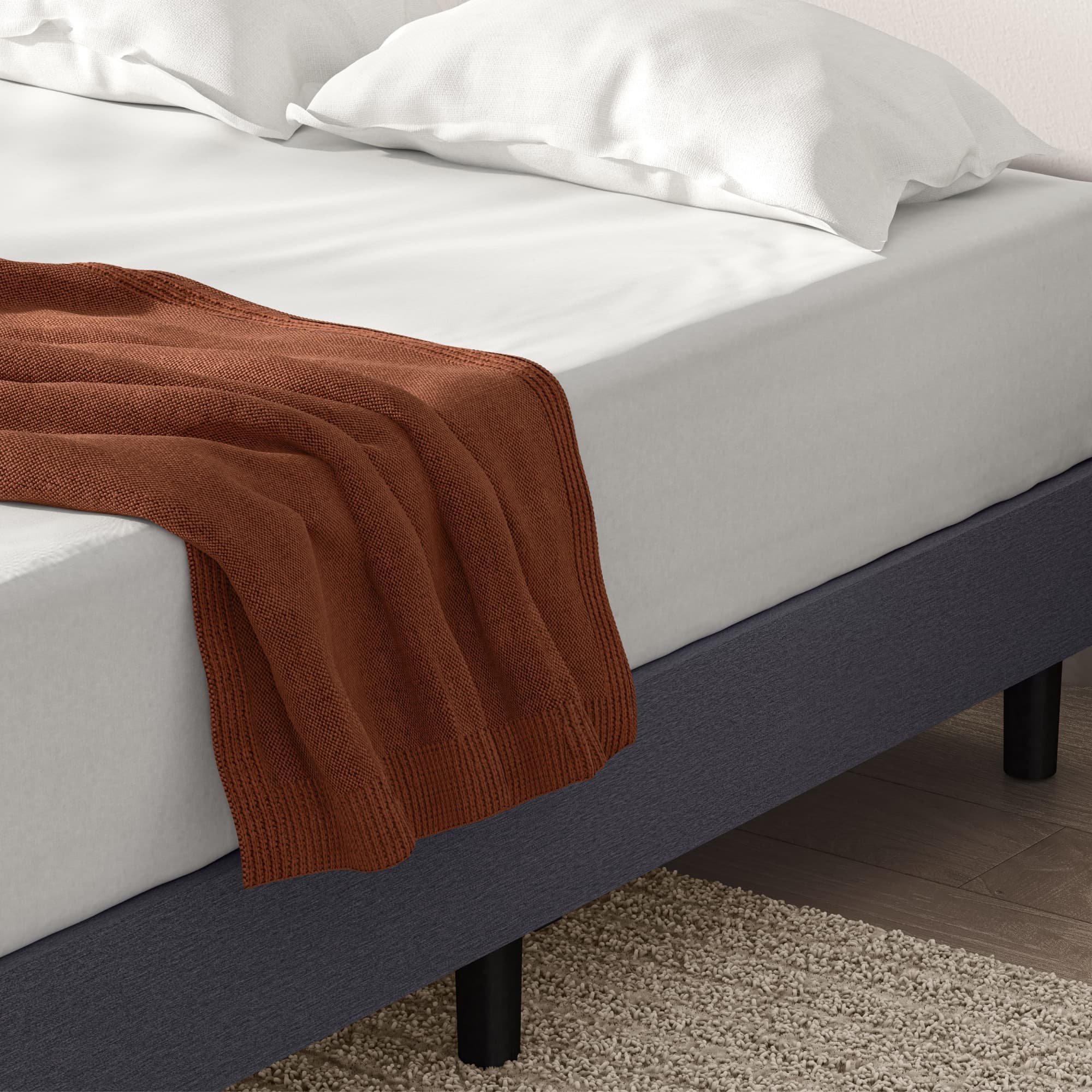
Make sure your bed frame or foundation provides proper support so the mattress performs as designed.
Replace your mattress every 10 years or sooner if you notice sagging, indentations, or increased morning pain.
Consider an adjustable base to slightly elevate your upper body, which can reduce shoulder compression for some sleepers.
Gentle shoulder stretches before bed can reduce muscle tension that compounds pressure-related pain during sleep.
Eliminate shoulder pain with Leesa
Persistent shoulder pain is not acceptable and should not be part of your morning routine. Small changes like improving your sleep posture and replacing an unsupportive mattress can make a big difference in how you feel each morning.
The right mattress with medium to medium firm support and quality pressure-relieving foam layers can significantly reduce or eliminate shoulder pain. Shop Leesa's mattresses and sleep accessories to give your shoulders the support they deserve. Wake up ready for the day, not recovering from the night.
FAQ
What firmness is best for side sleepers with shoulder pain?
Medium to medium firm (about a 5 to 6.5 out of 10) hits the sweet spot. It cushions your shoulders while keeping your spine happily aligned.
Can the wrong mattress actually cause shoulder pain?
Yes. A mattress that is too firm creates concentrated pressure at the shoulder joint, while one that is too soft misaligns the spine. Both can cause or worsen shoulder pain in side sleepers.
Is memory foam or hybrid better for shoulder pain?
Both work well. Memory foam provides deeper contouring for maximum shoulder relief. Hybrids offer pressure relief plus better airflow and easier movement. Leesa offers top-rated options in both categories.
How long does it take for a new mattress to relieve shoulder pain?
Most sleepers notice improvement within 2 to 4 weeks, but you should allow at least 30 nights for your body to fully adjust to a new sleep surface. Leesa's 120-night trial gives you plenty of time to evaluate pain relief.
Should I use a mattress topper instead of a new mattress?
A topper can help temporarily, but if your mattress core lacks proper support, a topper will not fix the underlying problem. A quality mattress with built-in pressure relief is the better long-term solution.
What Leesa mattress is best for side sleepers with shoulder pain?
That depends on personal preference, space, sleep partners, and more, but the Sapira Chill Hybrid is our pressure-relief MVP, while the Original is a fantastic all-foam choice.
Does pillow choice affect shoulder pain for side sleepers?
More than you think. The right pillow keeps your head, neck, and spine aligned. The wrong one turns your shoulder into the night's designated pressure point.