By the Leesa Sleep Editorial Team | Reviewed by the Leesa Sleep Wellness Advisory Panel | Last Updated: 2026
Quick Answer
Our top cooling mattress pick for hot sleepers is the Leesa Sapira Chill® Hybrid Mattress, thanks to its heat-pulling tailored quilt top, gel-infused foam, and up to 1,032 breathable individually wrapped springs that promote airflow. For best results, pair a cooling mattress with a bedroom temperature between 60°F and 69°F (ideally around 66°F), the range sleep researchers identify as optimal for deep, uninterrupted sleep.
Key Definitions
- Hot sleeper: A person who consistently wakes up overheated or sweaty due to body chemistry, environment, or bedding materials that trap heat.
- Cooling mattress: A mattress engineered with breathable materials—such as gel-infused foam, phase-change fabrics, or coil systems—that dissipate body heat and reduce overnight overheating.
- Phase-change material (PCM): A heat-absorbing fabric or fiber that shifts between solid and liquid states at skin temperature to actively pull heat away from the body.
- Moisture-wicking fabric: A textile (like bamboo or performance cotton) that pulls sweat away from the skin so it can evaporate, helping you stay dry and cool.
TL;DR — 12 Ways to Sleep Cooler
- Wear breathable cotton, linen, or bamboo pajamas (or sleep nude).
- Use an electric fan strategically for cross-airflow.
- Cool your pulse points with an ice pack before bed.
- Choose a gel or cooling-fiber pillow.
- Switch to breathable cotton or bamboo sheets.
- Freeze your sheets briefly on hot nights.
- Keep blinds closed during the day to block solar heat.
- Take a lukewarm shower before bed to trigger temperature drop.
- Stop eating at least three hours before bedtime.
- Limit alcohol, which raises heat retention and disrupts REM.
- Create cross-ventilation with windows or fans.
- Invest in a cooling mattress with gel foam, breathable coils, and moisture-wicking covers.
Why You Might Be Getting Hot at Night
Humans have an internal 24-hour cycle called the circadian rhythm, which tells your body when it's time to wake up or go to sleep. Describing this cycle as "internal" is a bit misleading, considering external factors heavily influence your circadian rhythm.
As the time for sleep nears, your body temperature naturally drops. This temperature drop acts as a clue to your body that it's time for sleep. When your body doesn't get this message, you inevitably have difficulty sleeping.
A rise in body temperature during the night often wakes us up because our bodies interpret it as a circadian clue that it's morning. The typical things that can cause your body to overheat at night are:
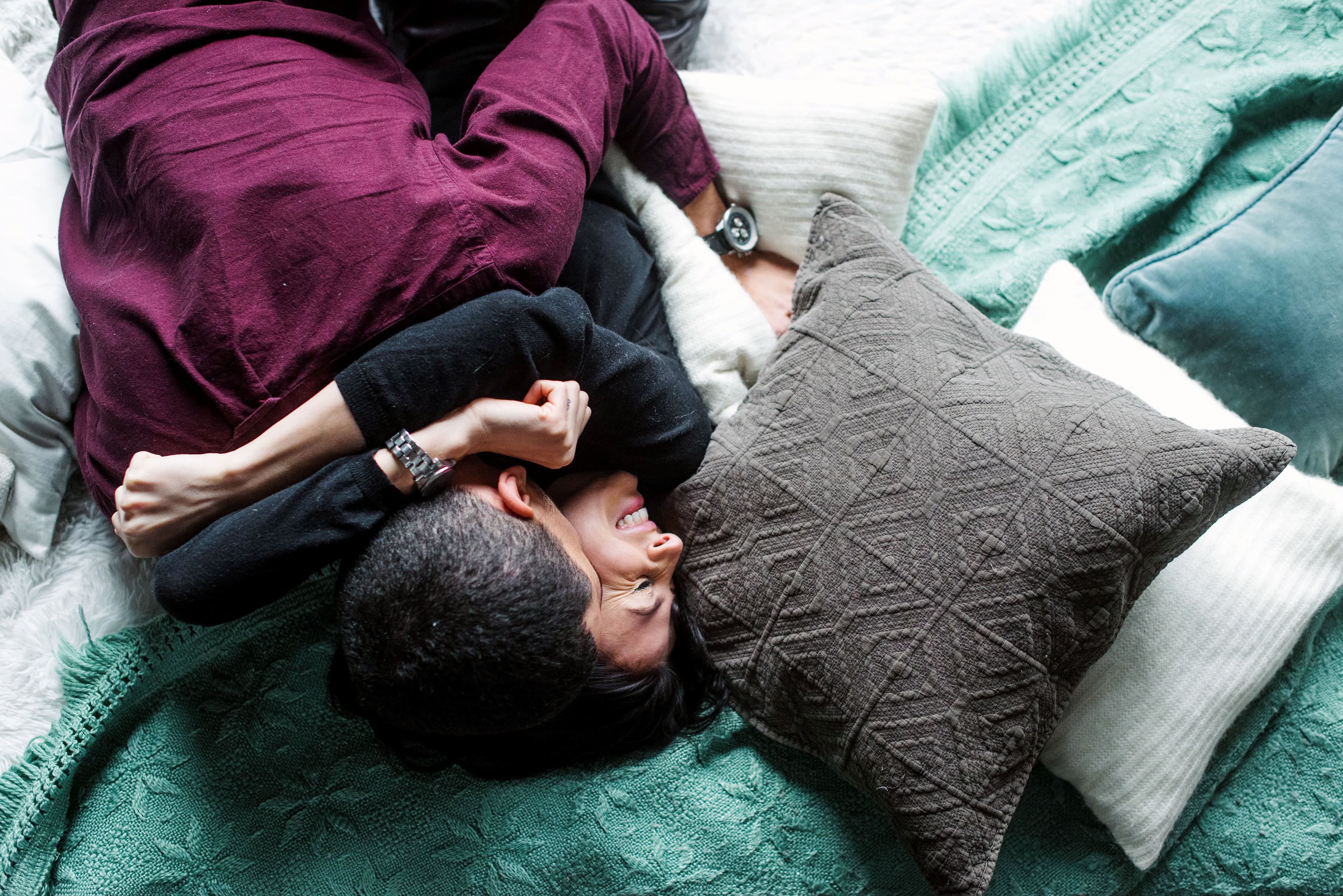
- Sharing your bed: If you share your bed with pets or a partner, their body heat can contribute to your own and disturb your sleep.
- Hormonal changes: Changes such as those that occur during pregnancy and at the onset of menopause are common causes of a sudden onset of night sweats. According to a 2023 study published in Menopause (the journal of The Menopause Society), up to 80% of perimenopausal women experience hot flashes or night sweats.
- An underlying medical condition: Medical conditions may be something relatively harmless, like hyperhidrosis (excessive sweating) or something more serious, such as low blood sugar. It's important to see a physician if you think a medical issue may be causing you to overheat at night.
- A side effect of medication: Some prescribed and over-the-counter medications can raise your body temperature as a side effect.
- Illness: High body temperature, which is a common symptom of many illnesses.
- Your sleeping environment: If your bedroom is too hot or there's a lack of air circulation during the night, you may find it hard to fall asleep or may wake up sweating well before morning.
Lastly, one of the biggest factors is the materials from which your mattress is made. Foam, latex, and innerspring mattresses have an impact on how hot you get when you are sleeping. Traditional memory foam is comfy but can also trap heat, causing you to overheat. New-age premium foam mattresses, luxury hybrid foam, and individually wrapped spring mattresses are the best options for a supportive and breathable environment.
Cooling Mattress Materials Compared
Material | Breathability | Heat Retention | Best Use Case |
|---|---|---|---|
Traditional Memory Foam | Low | High | Sleepers who run cold and want deep contouring |
Gel-Infused Foam | Medium-High | Low-Medium | Hot sleepers who want pressure relief without trapping heat |
Latex (Natural) | High | Low | Eco-conscious sleepers seeking bounce and airflow |
Hybrid / Innerspring | Highest | Lowest | Hot sleepers who want maximum airflow and edge support |
Top Tips for Sleeping Cool
A 2022 study in the Journal of Sleep Research (Baniassadi et al.) found that sleep efficiency in older adults was highest when bedroom temperatures stayed between 68°F and 77°F, while broader sleep guidance from the National Sleep Foundation places the ideal range at 60°F–69°F, with 66°F as the sweet spot. This may seem chilly, but when you're snuggled under the covers for hours, it's the perfect cooling temperature.
Achieving this with air conditioning is the most obvious solution, but due to rising cooling costs, your partner/pet's body heat, and high summer temps, AC alone may not be enough. Take these extra steps to stay cool while sleeping:
What pajamas keep you cool at night?
There's a good reason why leather PJs have never been a trend! The fabrics you wear to bed can make a dramatic difference in how hot you get while sleeping. If you're a hot sleeper—someone who regularly wakes up in the middle of the night feeling overheated or sweaty—the material in your pajamas is even more important.
Choose breathable cooling fibers such as natural cotton, linen, and bamboo over less breathable synthetic materials. Alternatively, sleeping in the nude is a great option for improved sleep quality, temperature regulation, and muscle recovery. Some people may worry about the hygiene of this practice (and it may feel a little weird at first), but make sure your sheets are on a regular wash schedule, and you'll be fine.
How can you use a fan to sleep cooler?
Setting up a box fan in a window can keep your room cool throughout the night. However, this only works when it's colder outside than in your bedroom. This is because a box fan in a window pulls some of the warm indoor air out, and pulls the cooler outdoor air in.
Another option is to use a standing fan to cool you as you sleep. Direct the fan toward your bed so the air moves over your body, producing a cooling effect. You can get a colder breeze by putting a bowl of ice behind it.
Cool your pulse points with an ice pack
If you're hot, hold an ice pack anywhere you can feel your pulse—your wrists, neck, the crook of your arm, the back of your knees, etc. Cooling these pulse points before sleep can help your body's temperature cool faster.
This works because your veins and blood run close to the surface in these places. Holding an ice pack here cools your blood vessels, which then goes on to help cool the rest of your body as it continues to circulate.
What's the best pillow for hot sleepers?
We've all been there—when your head and neck are overheated, you can't sleep. You're tossing and turning, ripping off the pillow cover, and still wake up sweating an hour later. That's why your pillow is such an important consideration if you're a hot sleeper. How a pillow is constructed can have a serious impact on how cool you stay through the night.
Some fabrics, fibers, and weaves are more breathable than others and help regulate your body temperature. Very hot sleepers may find they get the best night's sleep using a pillow designed with cooling in mind, such as those that contain a gel, like Leesa's, made with a side of cooling gel and a side of responsive memory foam.
Which sheets are best for cooling sleep?
Like PJs, your bedsheets remain in contact with your skin for the duration of your sleep, so it's important to choose thin and breathable cooling covers. Once again, cotton is your best bet. To help you out on those hot nights, choose a breathable weave.
Bamboo is an excellent choice for hot sleepers because of its breathability. Bamboo is luxuriously soft, moisture-wicking, and a good choice for people with sensitive skin or who are prone to night sweats. When the nights get hot, it will have you sleeping cool.
Try freezing your sheets before bed
Have you spent too much time gardening or frolicking at the beach? A sunburn can bite you in the backside at night, when hot, irritated skin interrupts sleep. If you're sunburned (or just really hot), put your sheets in a plastic bag and stick them in the freezer for a while before you put them back on your bed. They won't stay cool all night, but they'll be nice and cold when you climb into bed. This trick can be a lifesaver on those sticky, hot summer nights after a long day in the sun!
Keep your blinds closed during the day
Keeping your bedroom curtains or blinds shut blocks your room from direct sunlight. Preventing your bedroom from heating up during the day may keep it cool enough to sleep or at least make it easier to cool at night. Closing your blinds has the additional benefit of saving you money on your energy bill.
Does a cool shower before bed help you sleep?
Taking a cool shower or bath before bed can be an effective way to cool your body. Lowering your body temperature may also help you fall asleep, as it mimics the natural drop in temperature that's part of your circadian rhythm. Make sure the water's not too cold—you want to remove excess body heat, not wake yourself up!
Wait at least three hours after eating before bed
This links back to your circadian rhythm, metabolism, and nutrition. A 2020 review in Nutrients (Kinsey & Ormsbee) noted a measurable connection between mealtimes, metabolic rate, and human circadian clocks. While more research is needed on the exact impact of mealtimes, it's believed that eating some foods close to bedtime makes it harder to sleep cool during the night.
Limit alcohol consumption before bed
Alcohol is a tricky drink. It's a depressant, which means it slows down brain activity. It can encourage sleep, but drinking alcohol doesn't give you quality sleep. When people fall asleep after drinking alcohol, they miss out on REM sleep.
This is bad because this type of deep sleep is the most restorative type of sleep. Alcohol also increases your body's level of heat retention, making it harder to stay cool during the night.
Create cross-ventilation in your room
Creating cross-ventilation in your room is a great way to stay cool while sleeping. You can do this naturally by opening windows directly across from each other. This gets the air flowing, which can produce a cooling effect.
If your room has only one window, you can position a fan opposite it to achieve a similar effect. If it's unsafe to open your windows, you could use multiple fans instead.
Invest in a cooling mattress
Invest in a new, sleep-promoting mattress. Sleeping on the right mattress makes the difference between good and bad sleep. The materials your mattress is made from—foam, latex, innerspring—have an impact on your sleeping temperature and quality.
Look for a mattress with cooling features such a cooling cover, stay-cool foam, breathable springs, and moisture-wicking fabrics. Along with these cooling properties, your mattress also needs to offer all the other sleep features that make you comfortable. Look for beds that have pressure relief technology and medium firm support to ensure you stay cool and comfortable all night long.
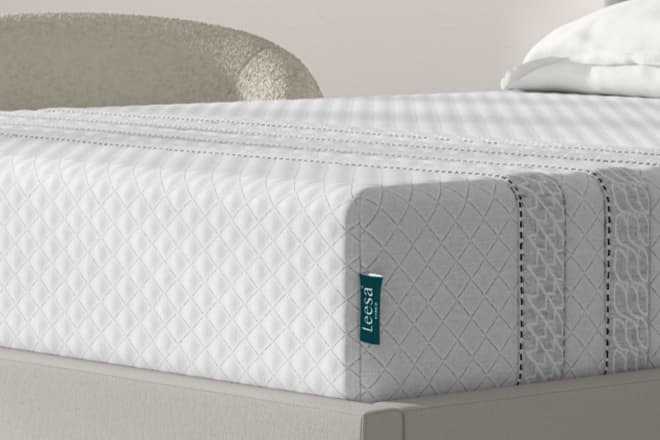
Is your bed making you hot while you sleep?
If you've eliminated medical causes, your sleeping environment, or any bed buddies as the cause of your overheating, it's likely that your bed is to blame.
A cooling mattress for hot sleepers is the foundation of a cool nighttime ecosystem. If you sleep hot or have been struggling with staying cool while sleeping, you want every part of your setup to encourage a cool night's sleep.
Best Mattresses for Hot Sleepers in 2026
With Leesa mattresses, you'll never have the problem of being too hot to sleep. We've created a range of premium mattresses built using various combinations of cooling covers, advanced memory foams, gel-infused foam, and breathable individually wrapped springs that won't leave you sweating in the middle of the night.
1. Sapira Chill® Hybrid Mattress
- Firmness options: Plush, Medium, Firm
- Key cooling features: Tailored quilt top that pulls heat away from the body, gel-infused foam, up to 1,032 individually wrapped springs, reinforced hip and edge support
- Best for: Hot sleepers who want a customizable firmness level and maximum airflow.
2. Legend Chill Hybrid Mattress
- Firmness options: Medium-Firm
- Key cooling features: Gel foam swirl, billowy quilt top infused with phase-change fibers, dual-spring breathable support system
- Best for: Hot sleepers seeking luxury feel with active heat-pulling phase-change technology.
Get the breathable, sweat-free sleep you deserve with Leesa.
FAQ
What is the best mattress for hot sleepers?
The best mattress for hot sleepers is a hybrid model that combines gel-infused foam with individually wrapped coils, like the Leesa Sapira Chill® Hybrid. The coil system promotes airflow while the gel foam wicks heat away from the body, preventing the overnight temperature spikes that traditional memory foam can cause.
Why do I sleep hot?
You may sleep hot due to a heat-trapping mattress (especially traditional memory foam), synthetic bedding, hormonal shifts like menopause or pregnancy, certain medications, body heat from a partner or pet, or a bedroom that's too warm. Identifying the source—environmental versus physiological—is the first step to staying cool.
Do cooling mattresses really work?
Yes, cooling mattresses work when they use proven materials such as phase-change fabrics, gel-infused foam, breathable open-cell foams, or coil systems that allow airflow. These technologies actively pull heat away from your body or prevent it from being trapped, which can meaningfully reduce night sweats and overheating.
What temperature should my bedroom be for sleep?
Sleep experts recommend a bedroom temperature between 60°F and 69°F, with around 66°F considered optimal for most adults. This cool range supports the natural drop in core body temperature that signals your circadian rhythm it's time to sleep, helping you fall asleep faster and stay asleep longer.
What is a phase-change material in a mattress?
Phase-change material (PCM) is a smart fabric or fiber that absorbs, stores, and releases heat as it shifts between solid and liquid states at skin temperature. In mattresses and pillows, PCM actively pulls excess body heat away when you're warm and releases it when you cool down—keeping surface temperature steady all night.