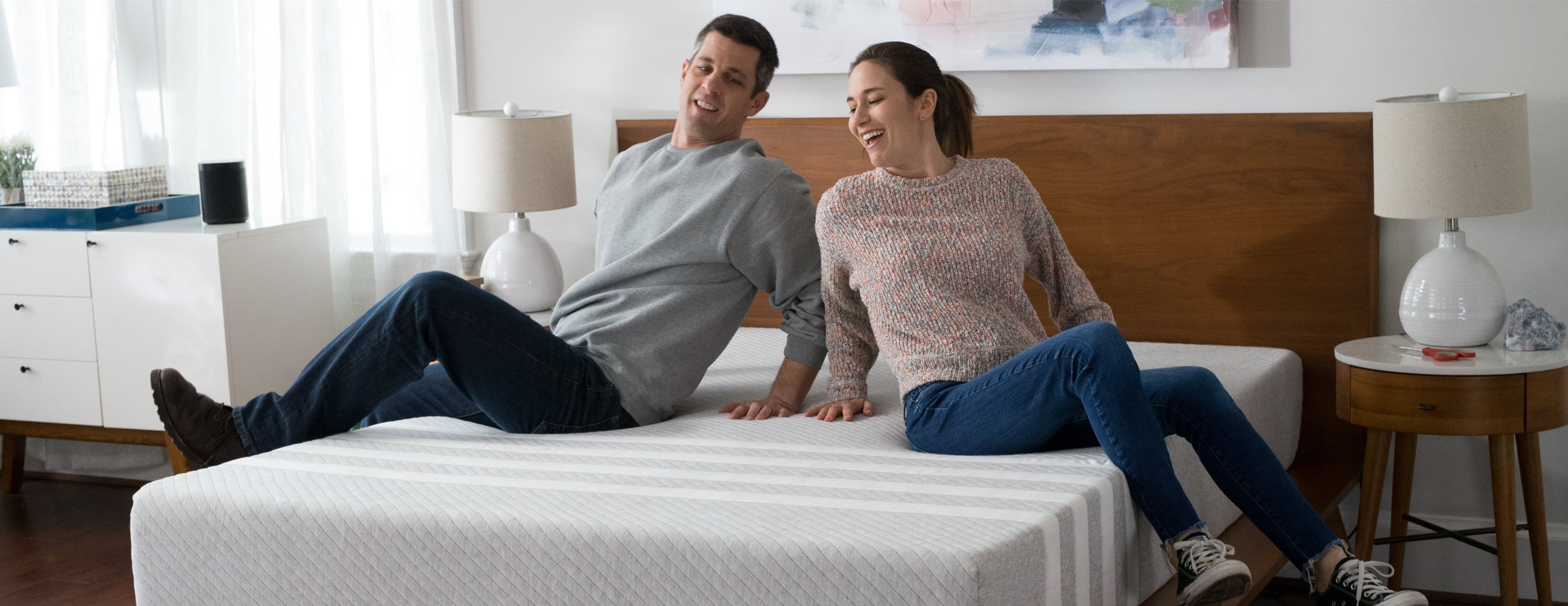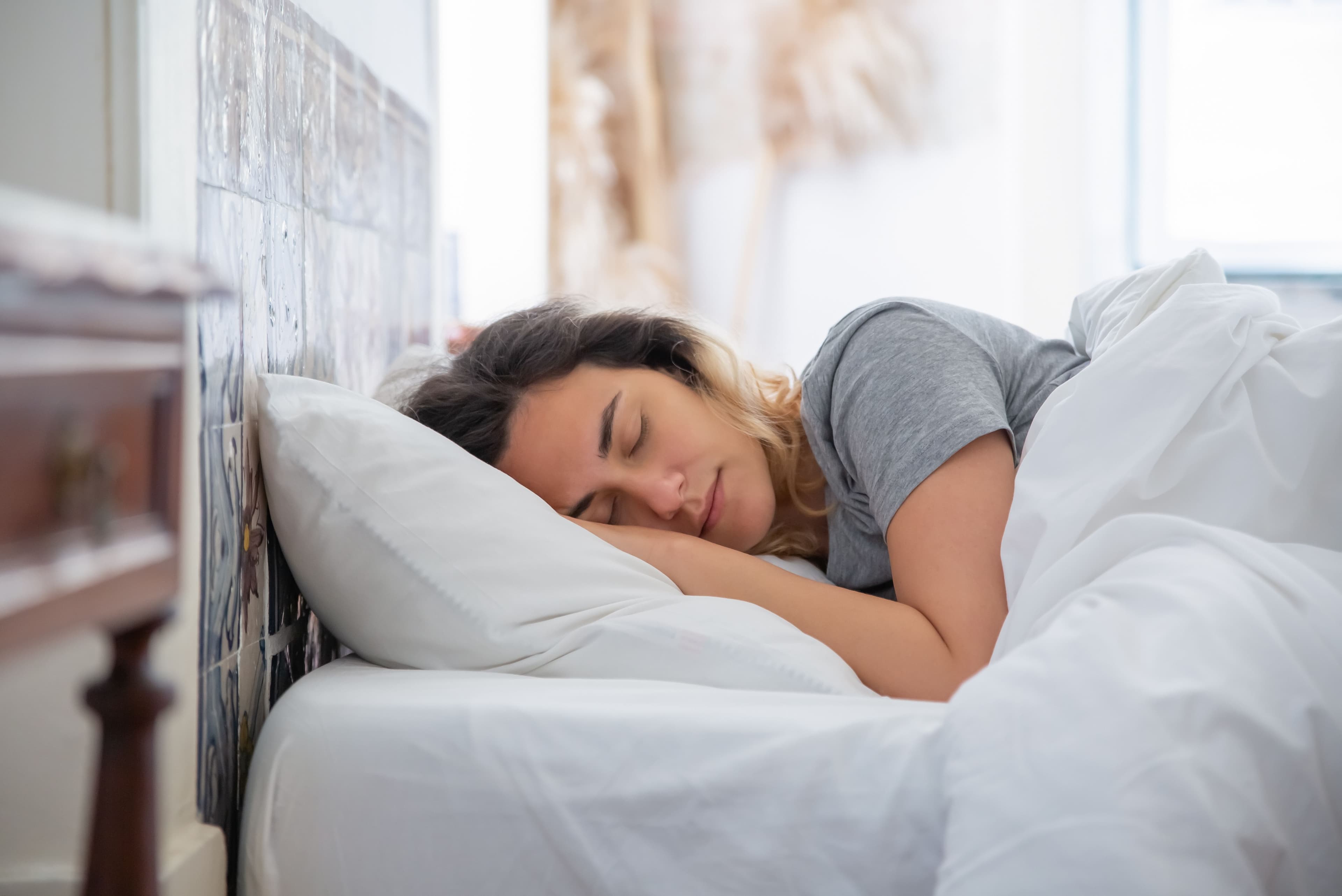

Scoliosis is a medical condition, usually diagnosed in early teens, that can cause muscle weakness and pain and is often treated with physical therapy and surgery. It can be painful and alter physical appearance and, on top of that, it can lead to a crappy night’s sleep. A good mattress, carefully selected for your medical condition, can help ease nighttime pain and restore good sleep.
Discover what makes a good mattress and pillow, the best sleep positions for those living with scoliosis pain, and the most comfortable sleeping positions.
How scoliosis can affect sleep
Scoliosis, or a side-to-side curve of the spine, can cause a host of sleep issues. Sufferers often report:
Neck discomfort
Trouble settling
Difficulty breathing
Severity and spinal curve type change what feels comfortable for each person. The condition can also worsen over time, changing how you sleep. People with scoliosis should seek medical support and treatment from a qualified professional. This guide just seeks to support good sleep and provide sleep insight and resources. Everyone deserves a good night’s sleep.
What to look for in a mattress
Even the best mattress for scoliosis can't cure the over 6 million people in the United States living with scoliosis. The right mattress can, however, provide pain relief and help scoliosis patients get a good night’s sleep. No single perfect scoliosis-friendly mattress exists, but the right mix of support and pressure relief can help you sleep more comfortably at night.
Here’s what to prioritize:
Medium to Medium-Firm Feel: Research generally points to medium-firm mattresses for supporting spinal alignment and comfort. Just remember that firmness is subjective: on the typical 1-10 scale, the same mattress can feel firmer to a lighter sleeper and softer to a heavier one.
Zoned Support: Firmer support beneath the hips and midsection with more give around the shoulders can help keep your spine supported without creating uncomfortable pressure points.
Pressure Relief: Contouring comfort layers can cushion sensitive areas like the shoulders and hips, which may be especially important when finding a comfortable sleep position with scoliosis.
Strong Edge Support: A stable perimeter makes it easier to get in and out of bed and provides more usable sleeping space.
A Generous Sleep Trial: Comfort needs and spine curvature vary from person to person, so prioritize a solid trial period, straightforward return policy, and warranty.
Independent Testing: Look for recognized certifications and third-party testing rather than taking every “orthopedic” or “back-supporting” marketing claim at face value.
These mattress factors help keep your spine in a neutral position throughout the night and improve sleep quality.
Hybrid versus all foam
Both foam mattresses, made with supportive memory foam, and hybrid mattresses, made with responsive coils and memory foam, provide excellent support and comfort. These two mattress types just provide different types of comfort.
Hybrid: The hybrid coils add bounce, responsiveness, and airflow, while the foam provides the contouring and pressure relief you’d expect from an all-foam bed.
All-foam: Foam molds more closely to the body and absorbs movement well; however, it tends to hold onto body heat more, so you'll want an all-foam mattress with cooling technology.
For those with scoliosis, the best choice is whichever keeps you comfortably supported throughout the night. If changing positions is uncomfortable, you may appreciate the easier movement of a hybrid. If you prefer a more cradling feel, all-foam may be your happy place.
You may also want to look for mattresses made with CertiPUR-US certified foam, which is independently tested for content, emissions, and durability. Additionally, GREENGUARD Gold certifies a finished product for low chemical emissions into indoor air.
For example, the Leesa Sapira Chill Hybrid mattress, like all Leesa mattresses, is CertiPUR-US and GREENGUARD Gold certified. The Sapira Chill Hybrid also has zoned support, so the hips receive extra lift to support spinal health.
Best sleeping positions for comfort
The best positions distribute weight evenly, so back sleeping is considered ideal, followed by side sleeping. Side sleepers need pillow support to keep their hips and shoulders aligned, avoiding painful nighttime rotation.
Stomach sleeping tends to increase cervical spine strain and is generally the hardest position to stay comfortable in. Folks commonly speak with their provider to find the best sleep position for their condition and unique needs.
Setting up your position
Your mattress does plenty of heavy lifting, but your pillow setup matters, too. A few strategic adjustments can help keep your body comfortably supported while you sleep.
Back sleepers: Try a low- to medium-loft pillow under your head and another under your knees to reduce lower-back strain.
Side sleepers: Choose enough loft to fill the space between your shoulder and head, then place a pillow between your knees to help keep your hips and pelvis aligned.
Stomach sleepers: This isn't recommended, but if you sleep on your stomach, use a thin pillow to avoid pushing your head too far back. A pillow beneath your pelvis can also help limit excessive hip sink.
Before blaming your mattress for a rough night, try different pillow placements. Sometimes your bed just needs better support.
Choosing the right pillow
A pillow has one job: keep your head and neck comfortably aligned with your spine, rather than tilted forward, backward, or to the side. Your ideal loft, or the pillow's height, depends largely on your sleep position, build, and the severity of your scoliosis.
Side sleepers and people with broader shoulders generally need more loft to fill the shoulder gap, while stomach sleepers typically need less. Back sleepers usually land somewhere in the middle.
If finding the perfect height feels a little Goldilocks-y, an adjustable pillow makes fine-tuning easier. Leesa's Adjustable Chill Pillow uses a customizable foam-and-fiber blend, while solid foam and cervical pillows offer a more fixed shape. For sleepers who prefer a bouncier feel, Leesa's Natural Latex Pillow uses breathable Talalay latex. And if you sleep hot, cooling materials, like the cooling gel side of the Ultra Cool Reversible Pillow, can help keep the cool side of the pillow actually cool.
How to test a mattress and pillow
A few nights is not nearly enough time to test a mattress. Give your new setup at least two to four weeks to settle, sleeping in your usual positions, before making the call. Use the full trial window, whether that’s 30 days or 100.
Pay attention to how you feel when you wake up, not just how comfy the mattress feels when you first flop onto it. If something feels off, experiment with your pillow height and placement before blaming the mattress. If you use an adjustable base, test different elevations; raising your head or legs slightly can change how your whole setup feels.
Leesa mattresses worth considering
No mattress can correct scoliosis, but different constructions and firmness levels give you options to find your most comfortable setup and help you get closer to optimal spinal alignment. Along with the Sapira Chill Hybrid, here are some of the best Leesa mattresses for scoliosis.
Legend Chill Hybrid: Pairs three premium foams with two layers of micro and zoned springs for responsive pressure relief, reduced motion disturbance, and concentrated support under the hips. A cooling quilted cover helps draw heat away for a cooler sleep.
Reserve Hybrid: Combines premium foams with a dual-spring system featuring zoned lumbar coils for targeted support, pressure relief, and motion isolation.
Every Leesa mattress comes with free shipping, a 365-night trial, and a limited lifetime warranty.
Avoid back pain with the right support
When it comes to sleep comfort, your body gets the final vote. Your preferred mattress firmness, pillow loft, and sleep position are personal, so testing the whole setup at home matters.
Use Leesa’s 365-night trial to see how the mattress feels during actual nights of sleep. If scoliosis is causing pain, or you have questions about supporting your specific spinal curve, talk with your doctor or physical therapist. They can provide guidance based on your individual needs.
Use all your resources to get proper spinal support, day and night. Look through the Leesa options and say goodbye to poor sleep quality.
FAQs
What is the best mattress for scoliosis?
The best mattress for scoliosis provides a comfortable balance of support and pressure relief. Medium to medium-firm mattresses with zoned support can provide extra support beneath the hips and midsection while cushioning pressure points at the shoulders and hips.
Is a firm or soft mattress better?
A medium to medium-firm mattress is a good starting point for many sleepers, but firmness is subjective. Your body weight, sleep position, and spinal curve can affect how soft or firm a mattress feels, so the most comfortable option varies from person to person.
What is the best sleeping position?
For those with scoliosis, back sleeping is the best position, then side sleeping. The ideal scoliosis sleeping positions for you depend on the severity of your spinal curve and personal preference.
Are hybrid or memory foam mattresses better?
Neither is automatically better for scoliosis. Hybrid mattresses combine contouring foam with responsive coils for added bounce and airflow, while all-foam mattresses provide closer contouring and strong motion isolation. Choose the construction that keeps you comfortably supported and makes it easy to settle into your preferred sleep position.
Can a mattress fix scoliosis?
No, a mattress can’t fix or correct scoliosis, but the right mattress may provide better support, pressure relief, and overall comfort while you sleep. If scoliosis causes pain or affects your sleep, talk with a healthcare provider about treatment options and what type of sleep surface may work best for your needs.
How often should I replace my mattress?
Generally, mattresses should be replaced every 7-10 years. However, a changing scoliosis curve may require more frequent replacement to maintain spinal alignment.