You fell asleep on your side. Woke up around midnight on your stomach. And somehow ended up diagonal by morning.
Sound familiar? That's combination sleeping, also known as hybrid sleeping, and it's why your current mattress probably isn't cutting it.
Here's the problem: Many mattresses are engineered for one sleeping position. For example, side sleeper mattresses are too soft for back sleeping, and firm mattresses built for stomach sleepers can wreck your shoulders when you rotate to your side.
Combination sleepers need a mattress that moves with them—not against them.
The best mattress for combination sleepers has these four features:
Medium-firm support that works in any position
Responsive materials (hybrid or advanced memory foam) that don't fight you when you move
Pressure relief that adapts to all positions
Temperature regulation and motion isolation matter too—especially if your partner doesn't appreciate your 3 AM gymnastics routine.
The good news is you don't need to compromise. Hybrid mattresses and modern memory foam designs are explicitly built for sleepers who refuse to stay still.
This guide breaks down everything you need to know—from firmness levels to material composition—so you can finally stop waking up sore and start sleeping through the night, no matter which position you end up in.
Key Takeaways
Combination sleepers switch between side, back, and stomach positions, so they need a mattress that adapts to every move.
Medium-firm mattresses are ideal, offering the perfect balance of cushioning and support for proper spinal alignment.
Hybrid and advanced memory foam mattresses deliver responsive comfort, pressure relief, and motion isolation.
Temperature regulation matters—choose breathable materials like gel-infused foam or coil hybrids to stay cool all night.
Edge support ensures you can move freely without feeling like you’ll roll off.
Test your mattress with Leesa’s 120-night trial and discover award-winning, adaptive designs made for combination sleepers.
What is Combination Sleeping?
Combination sleeping means you're not loyal to one position; instead, you rotate between side, back, and stomach sleeping throughout the night. If you often wake up in a completely different position than you fell asleep in, you're a combination sleeper.
This sleep style demands more from your mattress. Every time you change your resting position, your body's pressure points and support needs change.
Side sleeping puts pressure on your shoulders and hips.
Back sleeping requires lumbar support and proper spinal alignment.
Stomach sleeping needs enough firmness to properly support your back and neck.
Many mattresses are optimized for one position, leaving combination sleepers stuck choosing between mattress designs for side, back, or stomach sleeping.
What combination sleepers actually need is a mattress that responds instantly when you move. Whether you're transitioning from your side to your back at 2 AM or flipping to your stomach at dawn, your mattress should provide consistent pressure relief and support without resistance.
The best mattresses for combination sleepers are typically a medium-firm hybrid mattress or a premium memory foam mattress. These materials adjust to your body regardless of position, so you can play sleep position roulette all night long and still maintain neutral spinal alignment.
And by the way, practically everyone is at least a little bit of a combination sleeper since most of us change positions throughout the night.
Source: Skarpsno et al., Nature and Science of Sleep (2017))
Factors to Consider When Shopping for Combination Sleepers
The right mix of firmness, material composition, motion isolation, and temperature regulation provides the support and pressure relief combo sleepers need. Let's explore these aspects to ensure your new mattress meets all your sleep needs.
Firmness Level
The traditional firmness scale ranges from soft to medium-firm to firm. Leesa provides a scale and firmness descriptor for all our mattresses to help you pick the best option. For combination sleepers, a true medium-firm bed is often the ideal choice.
However, body weight also plays a role here, and lighter individuals will need a medium-firm mattress that leans more toward soft, while heavier folks will need a mattress that leans more toward firm.
This tailored firmness level will provide a responsive sleeping surface that promotes a restful night without sacrificing comfort or support. It will also provide the necessary support to maintain spinal alignment and prevent any undue strain, while also being soft enough to fit the shape of your body.
Material Composition
Memory foam, latex, and hybrid materials provide a blend of support, comfort, and durability for combo sleepers. Memory foam molds to the body, preventing pressure buildup, while latex provides responsive support with cooling benefits. Finally, hybrids combine foam comfort with coil support, adapting well to various sleeping positions for restful sleep.
Motion Isolation
Co-sleeping with a restless combination sleeper is exhausting. Save your relationship and your partner’s sleep schedule with motion isolation.
High-quality memory foam and hybrid mattresses are especially effective in this regard, absorbing movement so both partners enjoy undisturbed sleep.
Temperature Regulation
Without the right mattress, your nighttime body heat can lead to night sweats—a frustrating condition that prevents you from sleeping through the night. Since combination sleepers frequently move in their sleep, they’re especially susceptible to night sweats.
Combo sleepers need a mattress that stays cool, using breathable materials like gel-infused memory foam, latex, and hybrids that help regulate temperature by promoting airflow and drawing heat away from the body.
Best Mattresses for Combination Sleepers
Let's explore the types of mattresses that cater best to the needs of combination sleepers. Keep in mind that your personal sleep preference and any other sleep needs should play a big role in mattress selection.
Memory Foam Mattress
The classic memory foam feel is a great option for combination sleepers. These mattresses work to distribute weight evenly, alleviating pressure points and excelling in motion isolation. The bed's surface combines soft foams and responsive, durable foam layers for a cloud-like feel.
Pros
Exceptional pressure relief
Good motion isolation
Adapts well to body shape
Cons
Can retain heat
Some sleepers may find it too soft
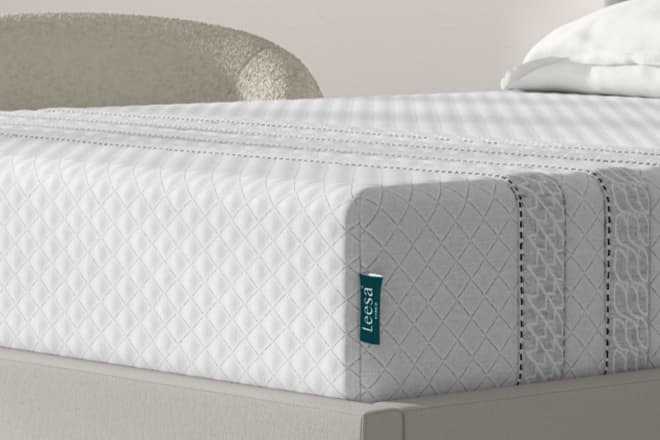
The Leesa Original foam mattress is a breathable bed made from innovative aerated foams. Check out its long-lasting support for all sleep positions.
Innerspring Mattress
Innerspring mattresses are known for their firm support and breathability. They are the traditional option that has been available since the 19th century.
Pros
Generally more affordable
Good airflow for temperature regulation
Firm support, beneficial for back and stomach sleepers
Cons
Less effective motion isolation
Doesn’t provide comprehensive spinal support
Can be less durable than other types
Hybrid Mattress
Hybrid mattresses blend innerspring and foam technologies to deliver support, comfort, and breathability. The durability and spinal alignment benefits of coils combine with the pressure relief and body-contouring properties of foam layers to boost airflow. These mattresses also give combo sleepers great pressure relief.
Pros
Excellent support and comfort
Good airflow, reducing heat retention
Durable and long-lasting
Solid zoned support, alleviating shoulder, back, and hip pain
Cons
Can be expensive
Some models may have motion transfer
The Leesa mattress collection offers several high-quality memory foam hybrids. From cooling materials to solid edge support, our mattresses have the features combo sleepers desperately need.
Latex Mattress
Latex mattresses offer a decently responsive and cooling sleep experience. Without the deep sink of memory foam, they quickly adapt to movements for immediate comfort.
Pros
Eco-friendly and hypoallergenic
Responsive yet supportive
Naturally cooling
Cons
Latex can be a little more pricey as it’s considered a luxury mattress
Heavier and harder to move
Can cause allergies for some sleepers
What to Look for When Mattress Shopping
Choosing the right mattress for combination sleepers involves looking at the mattress's features and the purchase policies. This means considering trial periods for testing the mattress at home, warranties for protection against defects, and return policies for added security.
Trial Periods
Look for mattresses that offer trial periods. This allows you to become a mattress tester, trying out the new bed in your own home. Leesa offers a 120-night trial period for mattresses, so you can test out multiple firmness options, sizes, and features.
Warranty
A comprehensive warranty can offer peace of mind, covering potential defects and ensuring your investment is protected.
Return Policy
Understanding the return policy is crucial. Should the mattress not meet your expectations, a straightforward return process is invaluable.
Rest easy with Leesa's mattress options for combination sleepers.
You need a mattress that works with you, not against you. The right memory foam or hybrid mattress supports your many sleep positions and promotes a good night's sleep—for you and your sleep partner.
Leesa's mattresses are designed with combination sleepers in mind. Our innovative mattresses blend the latest in sleep technology with adaptive materials to provide the perfect balance of softness and firm support, catering to all your sleeping positions. Leesa's commitment to excellence means you're not just purchasing a mattress; you're investing in countless nights of restful sleep.
Explore our collection and discover why Leesa stands out as the best mattress for combination sleepers.
FAQs
What is a combination sleeper?
A combination sleeper changes positions multiple times throughout the night—rotating between side, back, and stomach sleeping. This dynamic sleep pattern requires a mattress that adapts to shifting pressure points and provides consistent support across all positions.
Is memory foam good for combination sleepers?
Yes, memory foam mattresses excel for combination sleepers. Memory foam provides deep conforming support that evenly distributes weight and alleviates pressure points across all sleeping positions. Many modern memory foam options feature gel-infused memory foam for enhanced cooling and responsiveness.
So, even when you’re flip-flopping throughout the night, memory foam can cradle you to dreamland.
What firmness level is best for combination sleepers?
A medium-firm mattress is typically best for combination sleepers. This firmness level provides the perfect balance. It’s supportive enough for back and stomach sleeping to maintain proper spinal alignment, yet soft enough to cushion pressure points when sleeping on your side.
Medium-firm mattresses are usually durable enough to adapt well to position changes without compromising comfort or support.
Are hybrid mattresses good for combination sleepers with back pain?
Hybrid mattresses are excellent for combination sleepers who experience back pain. They combine the pressure relief of memory foam with the supportive structure of innerspring coils, helping maintain proper spinal alignment in any position. The responsive coil system makes position changes easier while the foam layers cushion pressure points, reducing strain that can lead to back pain.
What's the best mattress for side sleepers with back pain who also change positions?
Throbbing and sharp back pain often leads to nightly tossing and turning. You’re struggling to find a position that doesn’t aggravate existing pain, and you’re not alone, since 80% of US adults have struggled with nightly back pain.
A medium-firm hybrid or memory foam mattress can help. These beds provide deeper contouring for side sleeping but remain supportive when you roll onto your back or stomach.
How important is edge support for combination sleepers?
Edge support is a big deal for combination sleepers. It prevents the sensation of rolling off when you move to the mattress perimeter in your sleep. Hybrid mattresses typically offer superior edge support compared to all-foam beds, thanks to their reinforced coil systems around the perimeter.
Can combination sleepers who are hot sleepers find a cool mattress?
Definitely. Hot sleepers who change positions deserve peaceful, cooling sleep just like everyone else. Look for mattresses with gel-infused memory foam or hybrid designs with breathable coil systems. These materials promote airflow and draw heat away from the body.
What pillow firmness is best for combination sleepers?
Medium firm pillows are generally best for combination sleepers. This firmness level promotes alignment throughout the night by providing proper head and neck support across all sleeping positions.
Do frequent stomach sleepers need a different mattress than other combination sleepers?
Combination sleepers who frequently sleep on their stomach need adequate support to prevent sinkage, which can strain the lower back. A medium firm to firm mattress works best, providing enough support for stomach sleeping while still offering pressure relief when transitioning to side or back positions.
How does proper spinal alignment affect combination sleepers?
Your spine needs consistent support regardless of changing sleep positions. A quality mattress maintains neutral spine positioning whether you're on your side, back, or stomach—preventing morning stiffness and back pain. Medium firm mattresses typically provide the best spinal alignment across all sleeping positions.
What's the difference between an all-foam bed and a hybrid for combination sleepers?
An all-foam bed offers superior pressure relief and motion isolation but may feel too soft or too hot for some sleepers. Hybrid mattresses combine foam comfort layers with innerspring support, providing easier movement between positions, solid edge support, and enhanced breathability—making them ideal for active sleepers who change positions frequently.
How do trial periods, warranties, and return policies benefit combination sleepers?
Trial periods allow combination sleepers to test the mattress in their own home to ensure it meets their comfort and support needs across all sleeping positions. Warranties offer protection against defects, ensuring a long-term investment in quality sleep. Return policies make the purchasing process risk-free if the mattress doesn't quite fit the bill.
Does Leesa offer white glove delivery?
Our In-Home Setup & Removal by Ryder includes in-home setup, old mattress removal, and unpacking—taking the hassle out of your mattress purchase so you can focus on sleep.
How does the material composition of a mattress affect combination sleepers?
The material composition significantly impacts the sleep experience of combination sleepers. Memory foam provides deep pressure relief and motion isolation. Latex offers responsive support with natural cooling benefits. Hybrid materials combine foam comfort with coil support, adapting well to various sleeping positions.
Each material provides different levels of support, pressure relief, and temperature control to meet the varied needs of combination sleepers.
What makes innerspring mattresses a viable option for combination sleepers?
Innerspring mattresses provide firm support and excellent airflow thanks to their coil-based structure. The responsive bounce makes changing positions easier throughout the night. However, they may offer less motion isolation and pressure relief compared to foam or hybrid options—though they excel in breathability and support for back and stomach sleepers.