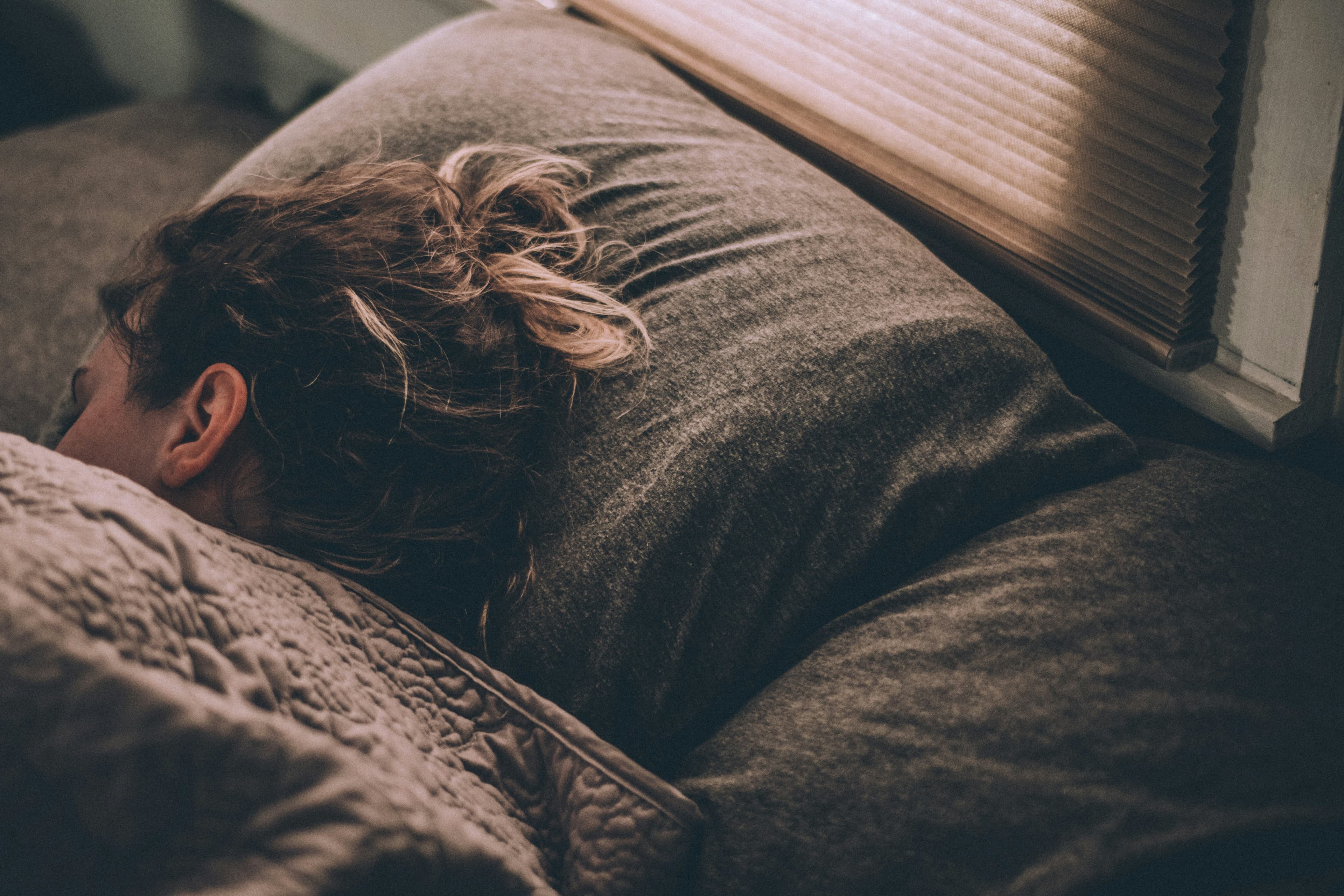

Good sleep is such a tease. Many people spend the night desperately chasing rest without ever understanding what’s actually happening once our eyes close. For all its mystery, sleep isn’t magic—it’s biology.
Sleep is a state of recovery that occurs in four distinct stages. You can learn about each stage, its specific recovery functions, and how your sleep environment can make or break this process.
Discover the secrets of good sleep and turn a hard-to-achieve miracle into an every-night guarantee.
Key Takeaways
Sleep happens in four repeating stages, N1, N2, N3, and REM, that work together to restore your body and brain each night.
A full sleep cycle lasts about 90 to 120 minutes, and most adults need four to five uninterrupted cycles for complete recovery.
Deep sleep drives physical repair and immune health, while REM supports memory, emotional regulation, and cognitive performance.
Fragmented or shortened sleep cycles can lead to fatigue, brain fog, mood changes, and long-term health risks.
Common disruptors include sleep disorders, lifestyle habits, and an unsupportive sleep environment that prevents deeper stages.
Support healthy sleep cycles with consistent routines and a mattress that offers pressure relief, motion isolation, and temperature regulation. Explore Leesa’s award-winning mattresses designed to promote uninterrupted, restorative sleep.
Understanding the Complete Sleep Cycle
Adults should sleep at least seven hours a night, every single night. On average, that adds up to over a third of our lives spent sleeping. This is a whole lot of rest, and you spend much of that time drooling, flopping around, and generally in a pleasant state of unconsciousness.
Your brain is hard at work, though, following a precise sleep cycle. The four stages take about 90 to 120 minutes to complete. Your body repeats this cycle over and over until you wake up. Most people go through about four to five cycles per night.
Here’s where it gets a little complicated. There are technically only two categories of sleep, and each stage falls into one or the other: non-REM (NREM) sleep or rapid eye movement (REM) sleep. Here’s what that looks like:
Stage 1 (NREM 1): the lightest phase of sleep, occurring as you first drift off.
Stage 2 (NREM2): when the body settles into deeper relaxation.
Stage 3 (NREM3): called deep sleep, is the most restorative stage.
Stage 4 (REM sleep): when most dreaming happens.
Your first sleep cycle of the night is the shortest, and they lengthen as you move through the night.
Stage 1 (N1): The Gateway to Recovery
Your first stage of sleep is the shortest, lasting around 10 minutes. It’s not the process of falling asleep, but instead, it starts as soon as you fall into a light sleep.
Brain activity slows, and your body is getting closer to deeper restorative sleep as brain wave activity shifts from alpha waves, which are low-frequency, synchronized patterns, to theta waves, which are slower and higher in amplitude.
It’s a lot of neuroscience, but essentially, theta waves mean sleepy time. At this stage, it’s still super easy to wake back up. The smallest interruptions, like a partner’s loud snoring or a pet getting in and out of bed, are enough to push you back into the land of the living.
Stage 2 (N2): Memory Processing Begins
Congrats, you’ve made it past stage one. Now your breathing slows, and you're getting ready for a deeper sleep. The second stage takes around 25 minutes, and there are lots of bodily changes occurring, including:
Body Temperature Drops: about one to two degrees on average.
Heart Rate Slows: during non-REM sleep, and your blood pressure may also drop.
Sleep Spindles Start: interrupting the theta waves. These rapid bursts of higher frequency brain waves may be important for memory retention.
K-complexes Kick-in: and are most active during this stage. These long delta waves usually react to stimuli (loud noises, your child poking you, etc.), helping the brain stay asleep and ignore non-dangerous external activity.
Your brain is working on (a) keeping you asleep and moving into the next sleep stage, and (b) beginning the day's memory consolidation. Stage two is when reflection and daily recovery begin.
Stage 3 (N3): Deep Sleep and Physical Restoration
Welcome to deep sleep, also known as slow wave sleep. This stage lasts anywhere from 20 to 40 minutes and is characterized by prominent delta brain waves. Think of these waves like slow, lazy signals that keep your body at rest and make it nearly impossible to wake up.
This is the time for your most restorative sleep. You may be at rest, but your brain is hard at work preparing for tomorrow. Recovery functions include:
Growth hormone release for muscle repair and tissue regeneration
Immune system strengthening and cellular restoration
Bone and muscle building
Metabolic waste removal from the brain gets rid of daily toxins
These processes are extremely important for general health and well-being. Missing out on deep sleep, either due to disruptions or an inability to fall asleep, can lead to mood disorders, obesity, and even dementia. It’s also just plain annoying.
Have you ever gotten too little sleep and genuinely struggled to wake up with your alarm? This is because deep sleep is concentrated in the first third of the night and continues to decrease in frequency, making it easier to wake up in the morning.
Getting too little sleep puts your wake time smack dab in the middle of your deep sleep time. It’s a recipe for disaster.
Stage 4 (REM): Sleep and Recovery
You’ve probably heard a lot about REM. It stands for rapid eye movement sleep, and it’s the phase of sleep most associated with dreams. REM only lasts about 10 minutes.
During this phase, your body undergoes muscle atonia, which is essentially temporary paralysis. This is a built-in safety feature that stops you from getting up and acting out your dreams—whether they're the fun flying kind or the scary running-from-monsters kind.
REM increases with each cycle, so the most extended periods occur in the early morning. This is why you may feel like you suddenly wake up in the middle of a good dream.
Your brain is still hard at work during this stage, with important recovery functions, such as:
Memory consolidation and neural connections
Emotional processing and regulation
Creative problem-solving and learning integration
Preparation for wakefulness and cognitive performance
How Sleep Stages Work Together for Complete Recovery
Each stage of sleep is important to recovery and prepares you for the next day. N1 opens the door to sleep. Think of the first stage as the transition lane. It doesn’t do the heavy lifting, but without it, you never reach true recovery.
N2 creates the protected environment your brain needs to move into deep restoration. N3 is where the bulk of physical recovery happens, and REM sleep restores the mind via memory integration.
Basically, N1 and N2 guide you into sleep and help you stay asleep. Then, N3 repairs the body, and REM fine-tunes the brain. Skipping or fragmenting any stage disrupts the entire system, which is why full, uninterrupted sleep is needed for complete physical, mental, and even emotional recovery.
The consequences of incomplete sleep cycles include fatigue, lack of memory consolidation, and frustration. Chronic sleep deprivation can literally kill you since it increases your risk of debilitating disease and illness.
Don’t try to push through a lack of sleep. Work to identify why you’re going without good rest and find a solution.
Common Disruptors of the Sleep Stages
Disruptions prevent you from reaching or maintaining sleep, and they come in all shapes and sizes. By far, the biggest disruptor of sleep is sleep disorders.
There are over 80 types of sleep disorders, ranging from chronic insomnia, difficulty falling asleep and staying asleep, to obstructive sleep apnea, difficulty breathing while asleep. Disorders can stop you from entering stage 1 or wake you up in the middle of stage 3.
Disorders are devastating to your life and sleep, but many can be treated. Contact a medical professional if you think you’re suffering from a sleep disorder. The right expert can help you get your sleep and your life back on track.
Other more common disrupters include:
Poor Lifestyle Factors: Excess caffeine or alcohol intake, screen time before bed, and irregular sleep schedules all can and will disrupt sleep.
Environmental Factors: A broken AC or noise from a nearby party are examples of environmental factors that make sleeping impossible.
Physical Factors: Let’s just face it. Aging comes with pain: pinched pressure points, poor alignment, and a partner who flails in the night are all physical factors that limit your ability to sleep.
There are times in your life when uninterrupted sleep is not an option. Becoming a pet owner or a parent, switching to a night or day shift, or overcoming a serious illness are all common events that can limit sleep quality.
Even in these hectic times, there are ways you can avoid sleep deprivation and improve your sleep. The best method is creating the most optimal sleep environment.
Optimizing Your Sleep Environment for Recovery
A good mattress isn’t magic. It can’t fix the eight cups of coffee you inhaled throughout the day, but it can make a big difference. The right sleep foundation can ease you through stage one and help you achieve and maintain deep sleep.
The right mattress for you can provide:
Pressure relief to prevent wake-ups during deep sleep
Proper spinal alignment for restorative rest
Motion isolation for undisturbed sleep cycles (for those who sleep with a partner or pets)
Temperature regulation to maintain optimal sleep conditions
Other factors like maintaining good room temperature, between 60°F and 65°F, near pitch black darkness, and eliminating outside noises will help you stay asleep. These changes, combined with an excellent mattress, are part of a healthy routine that supports proper sleep.
It’s called sleep hygiene. Here are more sleep hygiene practices that support good sleep.
Keep a consistent sleep schedule: Go to bed and wake up at the same time most days, aiming for seven to nine hours of sleep.
Finish eating several hours before bedtime: Try to eat dinner at least three hours before sleep to prevent discomfort and nighttime awakenings.
Time exercise and naps wisely: Avoid vigorous exercise within two hours of bedtime and keep naps short (30 minutes or less) and earlier in the day.
Establish a calming bedtime routine: Read for pleasure, take a warm bath, stretch gently, or practice deep breathing to signal to your body that it’s time to sleep.

Sleep cycles don’t fix themselves.
If you’re falling asleep but still waking up tired, your sleep stages may be getting disrupted before recovery can fully happen. A supportive sleep environment helps your body get the sleep it needs.
Explore Leesa mattresses designed to support proper alignment, reduce motion transfer, and regulate temperature, so your sleep cycles can complete the way they’re meant to, night after night.
Signs Your Sleep Stages Are Being Disrupted
The occasional poor night’s sleep happens to us all. Hormonal changes and lifestyle changes can all affect sleep. Even being on vacation can result in a sleepless night or two.
Consistent or long-term poor sleep is a different issue entirely. If you notice any of the following signs in your daily life, then your sleep is being regularly disrupted.
Waking up feeling unrefreshed despite adequate hours
Excessive daytime sleepiness and low energy
Difficulty concentrating, brain fog, and memory problems
Prolonged muscle soreness and slow recovery from exercise
Weakened immune system (frequent illness)
Mood swings, irritability, and increased stress sensitivity
These are all signs to reevaluate your sleep environment and mattress quality.
Falling Asleep and Staying Asleep With Leesa
You get the best sleep when your sleep cycle completes the way it’s designed to. Recovery compounds. Muscles repair faster. Memory sticks. Mood improves. Even your immune system gets its act together. Alternatively, you'll feel the effects of poor or interrupted sleep, and the results are not pretty.
That’s where your sleep environment matters more than you think. You can’t control everything, but you can control what you’re sleeping on. Your mattress and sleep environment all support to a normal sleep pattern.
Sleep smarter. Recover fully. Explore Leesa mattresses designed to support uninterrupted sleep cycles and full nightly recovery.