
In our modern, high-output lives, we often treat sleep as a clinical task—something to be managed with blackout curtains, white noise, and cooling apps. While these environmental factors are important, sleep psychology suggests that the true foundation of rest is rooted in the architecture of our surroundings. Creating a calm and inviting atmosphere is essential for promoting relaxation and restful sleep, as soft textures, soothing colors, and thoughtful decor help transform your bedroom into a tranquil retreat. Sleep experts agree that creating the right environment is essential for a good night's rest and good health.
A “Sleep Sanctuary” is more than a dark room; it is an intentional space designed to lower cognitive load and signal safety to the nervous system. When your bedroom feels architecturally grounded and visually harmonious, your brain receives the psychological “permission” it needs to fully detach from the day’s stressors. By prioritizing high-end design, we don’t just decorate a room; we engineer a state of mind. There’s good reason to invest in a sleep sanctuary—experts, health studies, and sleep experts consistently show that optimizing your bedroom environment can significantly improve sleep quality and overall well-being.
In this article, we’ll share practical tips for creating a sleep sanctuary and achieving a good night's sleep.
Key Takeaways
Design as Psychology: A sleep sanctuary is more than an aesthetic choice; it is an intentional environment engineered to reduce cognitive load and signal safety to your nervous system.
Aesthetic Grounding: Utilizing minimalist, structurally permanent furniture creates an “anchor” that prevents the subconscious sense of instability often caused by flimsy or cluttered frames.
Visual Flow & Symmetry: Intentional geometry and matching furniture suites promote “Visual Flow,” allowing the mind to stop “mapping” the room and transition more easily into sleep.
Sensory Organization: A “clean eye-line” is vital; utilizing integrated storage in pieces like the Solace Nightstand helps physically and visually remove “functional clutter” (phones, chargers, work reminders) from your field of vision.
Behavioral Harmony: A meticulously designed space must be paired with consistent sleep hygiene, such as light control and bedtime rituals, to fully synchronize your circadian rhythm with your environment.
The Anchor: Finding Stability in Minimalism
The bed is the psychological and visual center of the sanctuary. In interior design, the concept of “grounding” is essential for relaxation. A bed frame that feels flimsy or visually cluttered can create a subconscious sense of instability, keeping the mind in a state of subtle alert. To achieve true serenity, look for pieces that offer a minimalist silhouette and structural permanence.
Selecting a high-quality mattress is equally important, as it provides the support and comfort necessary for proper spinal alignment, reduces pain, and significantly enhances overall sleep quality.
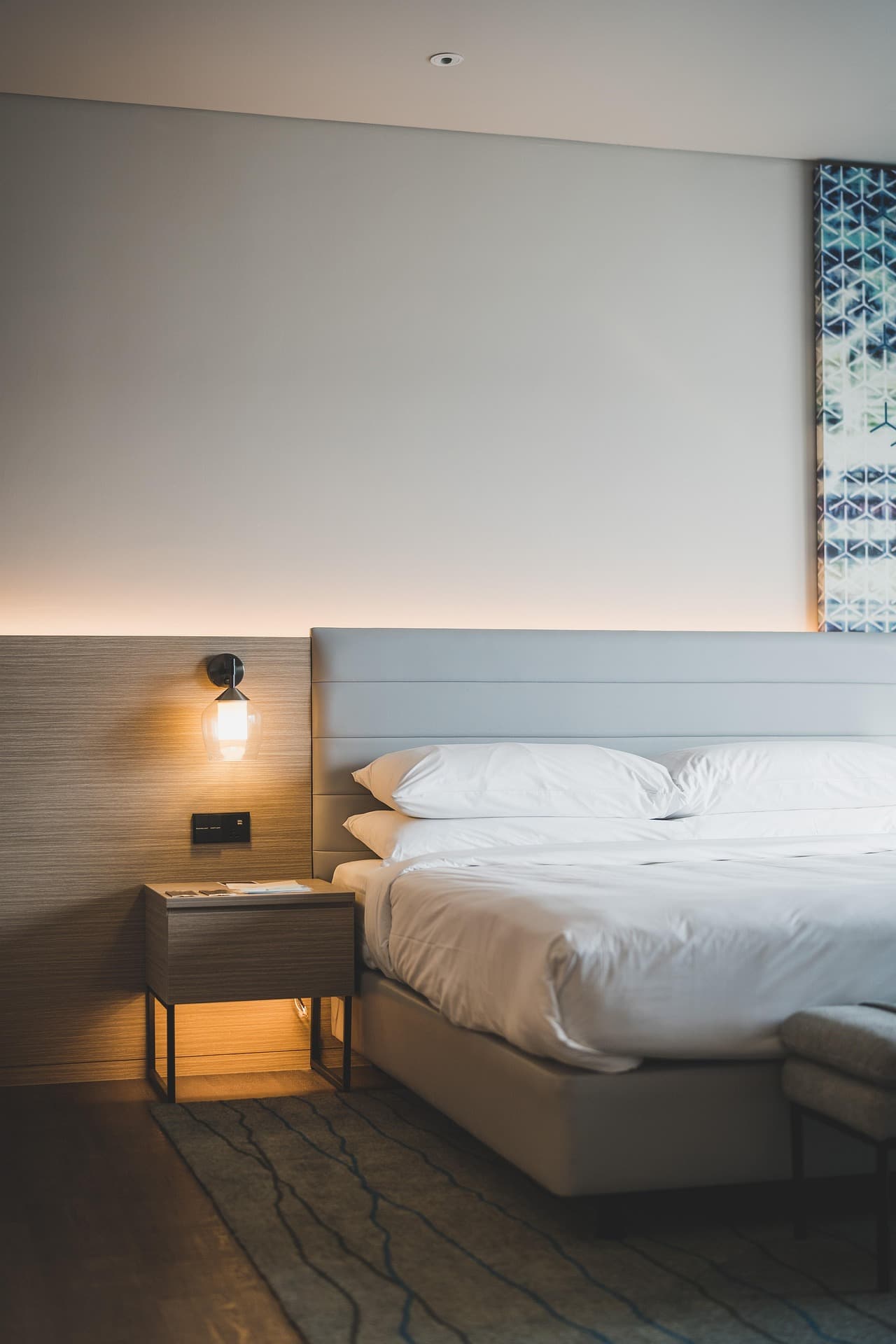
A frame like the Still Platform Bed serves as an architectural anchor. Its clean, upholstered lines reduce “visual noise”—the subtle clutter the brain continues to process even as you wind down. By choosing a low-profile, sophisticated design, you introduce a sense of “quiet luxury” that absorbs the frantic energy of the day.
The Power of Intentional Geometry
The human brain is wired to find peace in symmetry and intentional geometry. When a sleep space feels disjointed, the mind stays busy “mapping” the environment. Creating a sanctuary requires a transition from a collection of disparate furniture to a cohesive suite of materials. Consider the placement of windows in your bedroom layout and avoid positioning the bed directly under them to help maintain a serene and restful environment.
Incorporating soft neutrals in bedding and decor can further enhance the calming effect and visual flow of your sleep sanctuary, promoting a soothing and tranquil atmosphere.
The Solace Platform Bed allows for a design language based on warmth and refined stability. When paired with the matching Solace Nightstand, you create “Visual Flow”—a design principle that allows the eyes to move effortlessly across the room. This continuity is a signal to the nervous system that the environment is controlled and safe, making the transition into the first stage of sleep significantly more fluid.
Sensory Organization and the Clean Eye-Line
A sanctuary is fragile; it is easily disrupted by “functional clutter”—the phones, chargers, and books that tether us to our daytime responsibilities. Sensory organization is the practice of keeping these distractions out of your direct eye-line once you are in bed. Keeping distractions out of sight helps you relax and unwind before sleep, making it easier to transition into restful slumber.
A high-end nightstand should be more than a surface; it should be a curated space for rest. By utilizing a nightstand that mirrors the aesthetic of your bed frame, you reinforce the room’s structural harmony. This organization allows you to tuck away the “reminders” of work and life, ensuring that your last visual input before closing your eyes is one of order and beauty.
Incorporating a sitting area, such as a cozy chair or loveseat, can create a dedicated space for relaxation and further reduce functional clutter in the bedroom by establishing separate zones for rest and unwinding.
Defining Restorative Design for Mental Health
To transition your bedroom from a utilitarian sleeping area to a high-end sanctuary, focus on aesthetic grounding using upholstered or solid wood frames to create a focal point of stability. Visual continuity is achieved by choosing matching pieces to reduce cognitive mapping, while tactile luxury involves incorporating soft, premium materials that absorb sound and invite touch. Finally, minimalist proportions help avoid oversized or aggressive furniture that “crowds” the psychological space of the room.
Incorporating colors inspired by the natural world, such as muted greens and blues, can further promote tranquility and relaxation in your sleep sanctuary.
A high-end sleep sanctuary is an investment in your cognitive and physical longevity. By choosing furniture that marries structural integrity with sophisticated design, you are creating a space that honors the complexity of sleep and the absolute necessity of rest. These thoughtful design choices support quality sleep, which is essential for overall health and well-being.
A Holistic Approach to Sleep Hygiene
Even a meticulously designed space can be undermined by environmental and lifestyle disruptions. Achieving profound rest requires a commitment to behavioral rituals that complement your physical surroundings. According to the National Sleep Foundation, establishing a consistent bedtime routine is a fundamental requirement for mental health and overall physical well-being. Incorporating healthy habits into your daily routine, such as regular physical activity and mindful relaxation, can further support sleep hygiene and improve sleep quality.
A sanctuary performs best when supported by daily rituals. This “wind-down” period—incorporating soft ambient lighting and deliberate breathing—signals the nervous system to transition from the day’s cognitive demands into a state of restorative rest. By treating the final hour of the day as a sacred ceremony rather than a task, and sticking to consistent sleep and wake times, you allow your body’s circadian rhythm to synchronize with your environment.
Additionally, limit long daytime naps to avoid interfering with nighttime sleep.
Environmental Optimization: Light and Texture
External factors like natural light exposure during the day and sensory control at night play a pivotal role in sleep quality. To maintain the tranquility of your space:
Light Control: Utilize room-darkening shades and switch to warm, soft-spectrum lighting as evening approaches to support melatonin production. Minimize exposure to bright lights in the evenings to help your body naturally prepare for restful sleep.
Tactile Quality: Prioritize natural materials and plush, neutral bedding that invites relaxation without overstimulating the senses. This includes selecting supportive pillows that ensure proper alignment and comfort for your preferred sleeping position, allowing the physical body to match the serenity of the room.
Digital Detox: Eliminate blue light by keeping electronic devices out of the sanctuary entirely. Utilizing the storage within a Solace Nightstand ensures that these distractions are physically and visually removed from your sleep environment.
The Foundation of Long-Term Wellness
Ultimately, a high-end sleep sanctuary is an investment in your cognitive and physical longevity. Most people require 7-9 hours of sleep per night for optimal health and well-being. By harmonizing architectural stability with expert-backed sleep habits, you transform your bedroom into a definitive source of recovery. The result is more than just better sleep; it is a heightened state of mental clarity and the energy to greet each day fully restored.
Frequently Asked Questions
What is a “Sleep Sanctuary” and why is it important for sleep quality?
A sleep sanctuary is an environment intentionally designed to minimize cognitive load and signal the nervous system that it is safe to rest. Beyond just darkness and temperature, a sanctuary focuses on architectural grounding and visual harmony to help the brain psychologically detach from daily stressors, which experts agree can significantly improve overall sleep quality.
How does bedroom furniture design affect mental health and rest?
The physical objects in your room act as visual anchors; flimsy or cluttered furniture can create a subconscious sense of instability, keeping your mind in a state of subtle alert. By choosing structurally permanent, minimalist pieces, you create a sense of “quiet luxury” that reduces mental mapping and promotes a deeper state of relaxation.
What are the benefits of a minimalist bed frame like the Still Platform Bed?
Minimalist frames like the Still Platform Bed serve as the room’s architectural center. Their clean, upholstered lines eliminate “visual noise,” allowing the brain to stop processing external clutter and focus on the transition into restorative sleep.
Why is “Visual Flow” important when choosing a bed and nightstands?
The human brain is naturally wired for symmetry; when furniture is mismatched or disjointed, the mind stays active trying to “map” the space. Utilizing a cohesive suite, such as the Solace Platform Bed and matching Solace Nightstands, creates a continuous visual path that lowers cortisol and eases the nervous system into sleep.
How can I reduce “functional clutter” in my bedroom?
Sensory organization is the practice of removing distractions like phones and chargers from your direct eye-line. High-end nightstands with integrated storage allow you to tuck away the reminders of work and daily responsibilities, ensuring your final visual input before sleep is one of order and tranquility.