It’s the moment every parent dreads: your little one isn’t so little anymore, and they’ve outgrown their crib. Your child is ready for a big kid bed.
There are two paths you can take. There's a regular kid bed or a Montessori floor bed. It’s a tough call and requires parents to consider safety, child development, local climate, and room setup.
This evidence-based guide will help parents make the best choice for their family, offering Leesa's expertise in kids' sleep solutions and the most important considerations. Your child deserves a sleeping environment that’s perfectly attuned to their needs and helps them get good rest.
Key Takeaways
Most kids are ready for a big kid bed around age two or when they start climbing out of the crib.
Floor beds promote independence, while traditional kids beds and toddler beds provide clearer sleep boundaries.
Low-profile frames like the Leesa Nook Kids Bed or Leesa Snug Kids Bed balance safety and freedom by making it easy for kids to climb in and out.
Low-profile frames like the Leesa Sprig Classic Kids Bed and Sprig Modern Kids Bed combine independence with protection.
Room safety and child-proofing matter just as much as the bed you choose.
A consistent bedtime routine makes the transition smoother than the specific bed style itself.
Signs it’s time to upgrade your little one’s bed
Your baby is growing up. Most kiddos transition to a bed around age two, but there are some other signs that indicate they’re ready for a big kid bed.
The crib mattress is at the lowest setting, and the top rail sits below about three-quarters of your child’s height.
They can pull themselves up high enough to lean over the rail.
They’re able to lift a leg onto or over the top rail, even if they haven’t climbed out yet.
They’ve reached roughly 35 inches in height.
At some point, transitioning your child out of a crib is a necessity. Toddlers have a notoriously poor concept of danger, and they will try to climb out of their cribs. They also need to learn how to sleep in a regular bed. Learning to sleep without their crib is a good opportunity to develop self-control and increase their ability to self-soothe.
Understanding the options: Traditional bed vs Montessori floor bed
You’re likely already familiar with the traditional toddler bed. These beds are regulated by the Consumer Product Safety Commission to guarantee that every toddler bed provides a safe, standard sleep environment. This includes requirements like guardrails, end structures, and side rails.
Typically, these little beds are also:
Raised 12-16 inches off the ground
Crib mattress size
Designed for free and easy access
The traditional progression is crib to toddler bed to twin bed. Sometimes, kids move straight from their cribs to low-profile twin beds. These kids' beds don’t have guardrails, but they are low to the ground and designed for easy access, just like toddler beds.
There is another option. The toddler floor bed, or Montessori bed, is gaining in popularity. These beds can be used from 12 months through age 5 or 6, then your child graduates to a kid’s bed. The Montessori design involves:
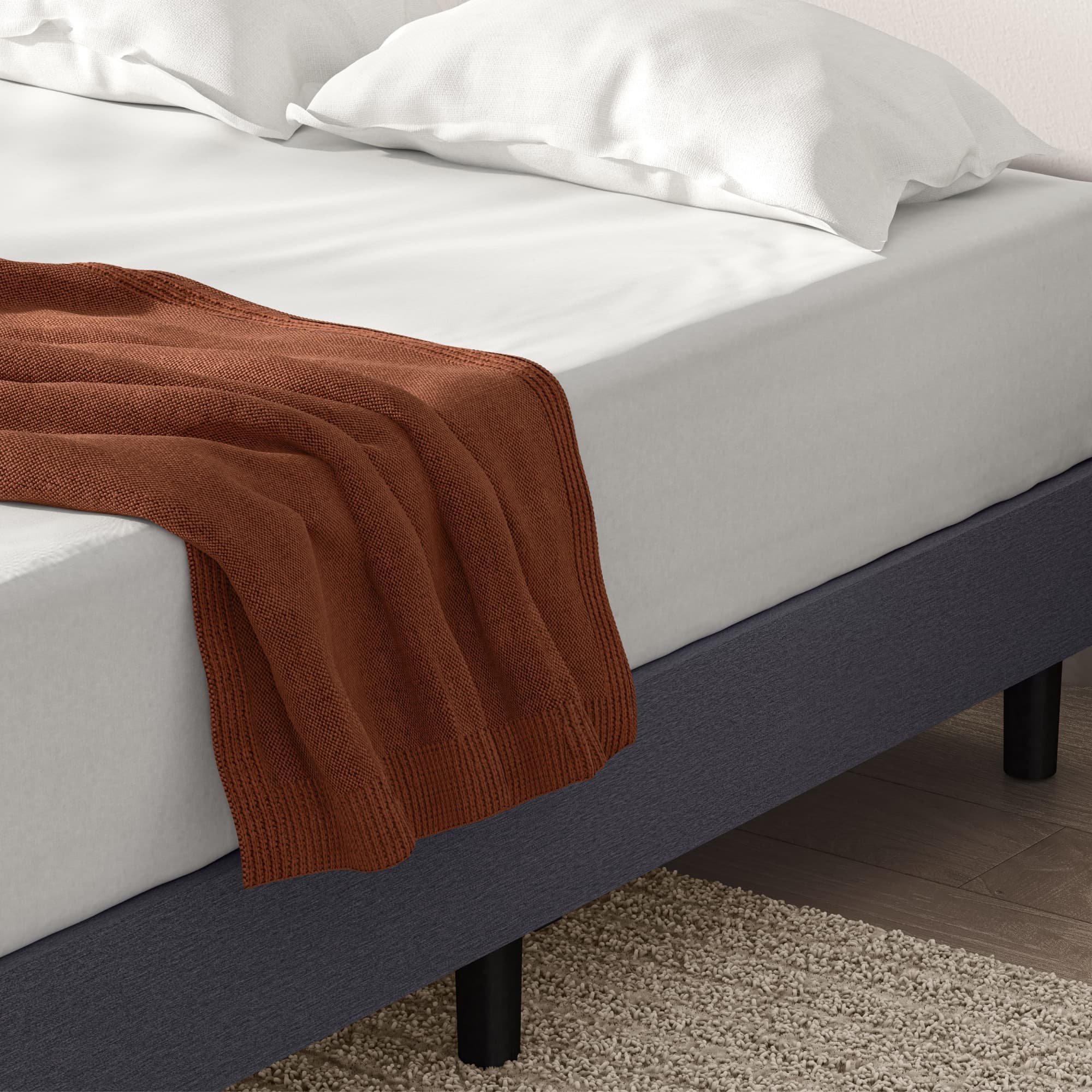
Mattress near the floor
Low bed frame
Optional guardrails
Floor beds are inspired by famed physician and educator, Dr. Maria Montessori, and her philosophy of child independence. The floor bed is designed to provide freedom of movement and self-directed sleep. A new floor bed allows your child to fine-tune their impulse control beyond what a traditional toddler bed or kids’ bed encourages.
Safety considerations and fall risk analysis
Falling out of bed is unpleasant, and even for adults, it’s alarming. For a kid, it can be pretty scary. It’s important to know that most falls are startling for your child but not actually dangerous.
Fractures can occur, but they’re extremely rare, and severe head injuries almost never happen. This is even the case for infants who fall out of their cribs and children who fall from the top of bunk beds.
Kids are durable. Most falls, even from a standard kid’s bed, aren’t serious. Still, it’s good to know the general fall risks for each bed type.
Floor Beds: Minimal fall risk due to low height, soft landing, and optional guardrails can add security during early transition months
Toddler Beds: Higher fall risk but contained by guardrails
Twin Kid’s Bed: Low profile to limit fall damage, but no guardrails
If your child falls, they’re more likely to be spooked than truly hurt. They, and therefore you, may get a night of interrupted sleep. Kids often need reassurance and affection before they can settle down and fall back asleep.
How bed type affects sleep and independence
Regular toddler beds and floor beds have a similar impact on sleep. They are both very different from a crib environment and will require a transition period as your little one gets used to their new sleep space. Both beds also allow freedom of movement and more independence than the crib.
The main difference is that floor beds allow even more independence since there’s little separation between the bed and the rest of the room. If you’re following a Montessori education, then the floor bed makes a lot of sense. For the right kids, it helps reinforce confidence and autonomy.
However, these beds can be detrimental for children who are:
Very adventurous
Totally lacks impulse control
Struggle to fall asleep and stay asleep
It may not seem like a huge deal, but for children, even being elevated off the floor in a bed frame can create an important distinction. It signals the separation of space and purpose. Some kids don’t need this separation, but some really do. Consider your child’s personality and existing sleep habits before making a decision.
There’s also the climate consideration. That’s right, you need to consider the climate before buying a bed for your toddler's room.
Bed frames aren’t just popular because they look good. They will:
Prevent mildew and/or mold growth
Make it harder for bugs to get into the mattress
Decrease dust accumulation
If you like the idea of a Montessori bed, consider an option with a low frame that gets the mattress up off the floor.
Making the transition easier for everyone
This is a big milestone for everyone. Some kids take to their new bed like a fish to water, and some require a little more encouragement and patience. Whatever your final bed choice, use these tips to help make this transition exciting, not stressful.
Don’t Make it a Surprise: This is not the time to be spontaneous or mysterious. Get your child excited about their big kid bed. Remind them consistently that they’re getting a new bed soon and involve them in some part of the selection and set up.
Maintain Their Bedtime Routine: Consistency is your best friend during this change. Continue the same songs, stories, pajamas, and wind-down habits you’ve always used. Even though the bed is new, the predictable routine signals that it’s still time to sleep.
Avoid Stacking Big Changes Together: The toddler years already come with major milestones. If possible, don’t introduce a big kid bed at the same time you take away overnight diapers or other major adjustments. Also, be prepared for a small, temporary regression after switching beds.
Let Them Make Other Sleep Decisions: This is a big change, and like many changes in their life, your child doesn’t really have a choice. Giving them something they can control will reduce stress. Let them help pick out sheets or a stuffed animal.
This process may be slow, and many parents get frustrated. That’s normal. Just remember, the right process and right bed promote independence and give your child the chance to grow.
Safe sleep guidelines and kid-proofing their bedroom
Your little one has probably been allowed solo, non-supervised play in their bedroom before. This requires kid-proofing their room, which means you may have already anchored any furniture, installed outlet covers, and introduced cord management.
If you haven’t prepped their room for solo-play, then now’s the time. Moving from a crib to any other bed type means your child can get up in the middle of the night, unsupervised. Their room needs to be prepped for this eventuality.
Use these bed and room guidelines to ensure a safe environment, no matter what.
Door Safety: Close their bedroom door, but do not lock it. Instead, place a bell or some kind of alarm system on the door, so you’re alerted if they open it.
Cord Safety: Keep drapery and electrical cords out of reach to prevent constriction or falls.
Bed Away From Windows: Position beds away from windows and ledges to prevent fall hazards.
No Pillow Before 2: Use a pillow only after age two, and choose a small, firm pillow.
Proper Sleepwear Fit: Check labels for correct sizing; non-flame-resistant sleepwear must be snug since loose clothing ignites more easily.
Protect Flame Resistance: Confirm fabric softeners won’t reduce flame-retardant properties before washing sleepwear.
Just like adults and babies, 2 to 6-year-olds need a cool, dark place to sleep. This isn’t so much a safety rule as a comfort one. Children sleep best in rooms that are 65 to 70 degrees Fahrenheit.
Troubleshooting the most common challenge
You may have a mini Houdini on your hands. Middle-of-the-night room escapes are very common and can get old pretty fast. The best way to address this issue is through consistency. Every time your child leaves their room, simply put them back in bed.
It sounds easy, but when you have a sobbing, flailing three-year-old, it gets a little difficult. Use this step-by-step solution to help:
First Time: Place them back in bed, remind them that it’s bedtime, and they need to sleep. Get them a cup of water or give them cuddles if they ask for it.
Second Time: Place them back in bed, remind them that it’s bedtime, and they need to sleep.
Every Consecutive Time: Place them back in bed.
Repetition is the answer. Your little one needs to learn that they can fall asleep on their own in their big kid bed. Adjust the above strategy based on your child’s age and specific needs.
Always ask yourself questions like, “Are they bored or are they not feeling well?” and “Do they have enough self-soothing skills to calm themselves down, or do I need to help?”
Choosing a big kid bed: Product selection guide
Whether you’re skipping the toddler bed phase entirely or upgrading a 5- or 6-year-old to a proper sleep setup, the goal isn’t just “a bigger bed.” It’s independence, safety, and a bedroom that actually encourages sleep instead of midnight hallway wandering.
Here’s how to pick the right kids' bed and what actually matters when you’re comparing options.
Can you skip the toddler bed?
We already mentioned that some children go straight from a crib to a kids’ bed. After all, toddler beds are a short-term solution. Many kids outgrow them in a few short years, which means you assemble furniture twice, buy sheets twice, and transition your child yet again.
Still, for children who need the boundaries of a toddler bed railing or who will benefit from the independence of a Montessori approach, the toddler beds are worth it. For all other children, a regular kid’s bed has the following benefits:
Kids can still climb in and out independently
The low-profile limits fall risk
They won’t outgrow it in 18 months
Parents don’t have to repeat the whole transition process again
What to look for in a kids' bed
Before we get into specific styles, here’s the secret: parents often shop for appearance, but successful bed transitions happen because of design.
A good kids' bed should do four things:
Be low enough for independence
Feel cozy instead of intimidating
Survive jumping (we're sorry, it's inevitable)
Help kids feel proud of their space
The best beds make kids want to sleep in them. That’s 90% of the battle. The best beds are also completely safe for your little one. A “safe” bed prevents injuries and bedtime battles.
Here's what to look for:
Low Height: A lower bed reduces falls and builds confidence.
Stable Construction: Solid materials and reinforced slats matter because kids often jump and play in their beds. This means a floor bed may wear out more quickly than a standard-framed bed.
Certified Materials: GREENGUARD Gold certification means low chemical emissions. That matters because children breathe faster and spend 10 to 14 hours a night inches from the mattress surface.
Headboards or Walls: Children relax in their beds. It's where they are read to. It's where they calm down. A comfortable place to sit up and lean is a must.
Easy Entry and Exit: Independence reduces nighttime crying and parents being summoned like on-call workers. Your child can easily get up and put themselves back to sleep.
Best bed frames for your child's room
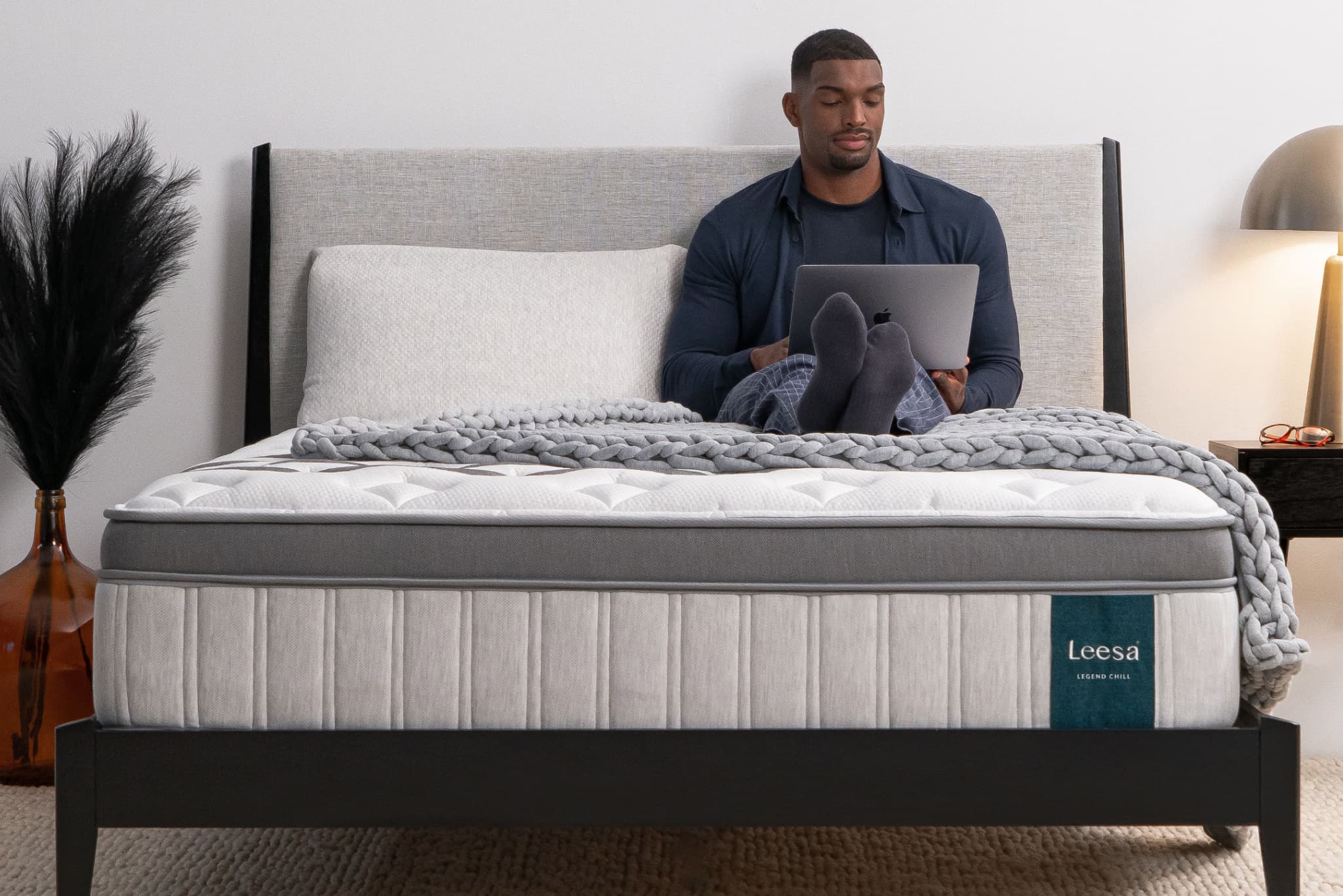
The Nook and Snug from Leesa are two classic “first real bed” options that are sturdy and kid-sized. The Snug features a plush, padded headboard for reading and winding down, while the Nook has a GREENGUARD Gold certified panel headboard.
These frames are both made with solid, easy-to-assemble materials, so there's no questioning your sanity while putting them together. Both beds come in twin or full sizes, meaning kids at all height percentiles can feel cozy and comfortable.
The Sprig Classic Kids Bed and Sprig Modern Kids Bed are Montessori frames with optional guardrails. At 4 and 5.5 inches off the ground respectively, they provide the best floor bed sleeping with the security and airflow you need.
Shop Leesa’s sleep solutions for a kid’s bed that you and your child adore.
FAQ Section
At what age should I transition my child to a big kid bed?
Most children transition around age two, but the real signs are climbing attempts, a rail below three-quarters of their height, or reaching about 35 inches tall.
Are floor beds really safe for toddlers?
Yes. Because they’re so close to the ground, fall risk is minimal, though you still need a fully child-proofed bedroom since your toddler can freely get up at night.
How do I know which option is right for my child?
Choose a floor bed for independent, curious kids and Montessori households, and a traditional kids bed (or toddler bed) for children who need clearer sleep boundaries and structure.
Do I need a special mattress for a floor bed?
Sprig floor beds are built for mattresses under 8 inches tall, making the Leesa Kids Mattress an ideal fit.
What if my child keeps getting out of bed at night?
This is normal during transition. Gently and consistently return them to bed every time with minimal interaction; repetition teaches them bedtime still applies outside the crib.
How do I prevent mold under a floor mattress?
Use a floor-bed frame instead of placing the mattress directly on the ground. The slight elevation improves airflow and dramatically reduces moisture buildup. Good room ventilation and normal humidity control help as well.