
The winter months are usually a time of celebration and seasonal fun, but they also bring unwanted changes in sleep patterns. Between reduced daylight hours and colder temperatures, you may feel more sleepy than jolly.
A consistent, comfortable sleep environment helps regulate the body's internal clock, but if you’re really struggling, you may be dealing with something more serious. Many adults struggle with seasonal affective disorder (SAD), and don’t let the cheesy acronym fool you, this is a diagnosable form of depression.
Understanding how winter affects you is crucial for maintaining good sleep habits and physical and mental health. From light exposure to mental health, here’s how to sleep better—even when winter throws off your sleep schedule

Build your ideal winter sleep sanctuary. Shop the Leesa Mattress Collection
Why does winter make sleep harder?
You know how Daylight Saving Time throws you off year after year? Or how a time zone change gives you jet lag? Or how a rainy day makes you extra sleepy?
Any environmental or situational change is bad for sleep.
The changing of the seasons is no exception, and winter has a sneaky way of throwing sleep completely off track. Shorter daylight hours, colder temperatures, and changing routines can confuse your internal clock and make it harder to fall asleep and stay asleep. Add in more screen time and an irregular schedule, and suddenly your sleep quality takes a hit, too.
The result is groggy mornings and restless nights.
Can shorter days really throw off your sleep cycle?
Even a small difference in light can change how and when you sleep. This is because your body relies on natural light to regulate its sleep-wake cycle. When winter days get shorter, your brain receives fewer signals to stay alert during the day and wind down at night. Basically, your brain stops making as much melatonin, a hormone that influences your circadian rhythm and encourages sleep.
This light and hormone imbalance can lead to earlier fatigue and lighter, less restorative sleep. In other words, winter doesn’t just feel darker; it literally stops your body from knowing when it’s time to sleep.
What is seasonal affective disorder?
44% of Americans report changing sleep patterns during the winter months. This is far from ideal, but many folks are able to manage with practical tips (like those below) or sleep aids like melatonin supplements. Around 5% of the population suffers from a more severe issue called seasonal affective disorder (SAD).
SAD is a type of depression that occurs during the winter months when there is less sunlight, affecting sleep quality and mood regulation. It's a recognizable, diagnosable condition that’s essentially major depressive disorder with a seasonal pattern.
This means that it’s much, much worse than just the ‘winter blues’ or a funky sleep pattern. It’s a potentially overwhelming disorder that seriously messes with your daily functioning.
Signs of SAD
Sleep disorders like SAD have symptoms that range from poor sleep to suicidal thoughts. These are the possible signs of SAD:
Persistent low mood or ongoing feelings of sadness
Losing interest in activities that used to feel enjoyable or motivating
Appetite changes, often marked by increased eating and strong carbohydrate cravings
Shifts in sleep patterns, typically sleeping longer than usual, but still feeling tired
Ongoing fatigue or low energy levels, even with extra sleep
Noticeable restlessness or, conversely, slowed movement or speech that others may observe
Feelings of worthlessness, excessive guilt, or self-blame
Trouble focusing, thinking clearly, or making everyday decisions
Recurrent thoughts about death or self-harm
SAD disrupts the body’s internal clock, making it harder to fall asleep and stay asleep. It is also a form of depression that may cause one or more of the above symptoms. The vast majority of the time, SAD starts in the autumn/winter and ends around spring/summer. In rare instances, it happens in reverse.
If you’re concerned about your mental state, always reach out to a professional first. A mental health professional can provide guidance on managing SAD and its impact on sleep patterns and mental health.
Whether caused by a disorder or simply a seasonal annoyance, no amount of sleep loss or poor sleep quality is acceptable. You deserve good sleep that leaves you feeling well-rested and prepared for a day of winter fun.
Treating SAD with the power of light
Light exposure, particularly natural sunlight, is the most obvious help. Exposure to natural light during the day helps regulate the sleep-wake cycle and improves overall sleep quality. In the dark of winter, especially in places like the Upper Midwest or Northern Plains, where harsh weather and long nights make for little sun exposure, natural sunlight is hard to come by.
This is when a light therapy box is useful.
A light therapy box is designed to mimic natural sunlight. It delivers a concentrated dose of bright light that helps cue your brain into daytime mode. That signal can trigger chemical changes in the brain that improve mood, boost energy, and regulate sleep.
These boxes aren’t just useful for seasonal depression treatment, either. Light boxes help treat circadian rhythm disorders and normal sleep issues caused by seasonal changes. Think of it as sleep medicine that gives your internal clock a gentle morning reset.
These devices aren't difficult to use, and most experts recommend keeping things simple and consistent. Here’s how:
Use the light box within the first hour of waking
Sit in front of it for 20 to 30 minutes
Place it about 16 to 24 inches from your face
Keep your eyes open, but don’t stare directly into the light
Use it daily, especially during the darker winter months
Like most sleep habits, light therapy works best when it becomes part of your regular routine.
What to look for when choosing a light therapy box
Not all light boxes are created equal. When shopping for one, keep these essentials in mind:
Brightness: Look for a box that delivers 10,000 lux, the standard intensity used for SAD treatment.
Low UV output: The box should filter out most or all UV light to protect your eyes.
Designed for SAD: Some lamps are made for skin treatments, not mood or sleep regulation. Check the label.
Comfortable design: Upright lamps and travel-friendly options all work well.
Practical placement: Choose a style that fits easily into your morning routine. Remember, consistency matters more than aesthetics, but convenience makes consistency easier.
Light therapy boxes are available without a prescription. However, it’s still smart to check in with a healthcare provider, especially if you have eye conditions, bipolar disorder, or ongoing mental health concerns. Using a light box for too long or too intensely can sometimes cause side effects, so following the manufacturer's guidelines is very important.
Simple ways to sleep better during the cold months
Light boxes help many people, but about 59% of individuals won’t experience significant symptom reduction with light therapy. This means that light therapy alone may not help you beat SAD or even mild winter sleep issues.
You should also use the following tips to achieve consistent, restful sleep in the dead of winter.
Tip #1: Work with your circadian rhythm
You may genuinely need more sleep in the winter. Don’t force yourself to fall asleep and wake up at the same time as you do in the summer. Instead, work with your circadian rhythm. It’s the internal clock that regulates sleep patterns, and it’s influenced by natural sunlight, so since the sun sets much earlier in the wintertime, you may notice getting tired earlier.
Lean into this and let yourself fall asleep earlier. You should also:
Maintain a Consistent Sleep Schedule: Your wake and sleep times may shift, but do your best to be consistent.
Avoiding Blue Light Before Bed: The light from screens suppresses melatonin production and disrupts your circadian rhythm, making it hard to fall asleep.
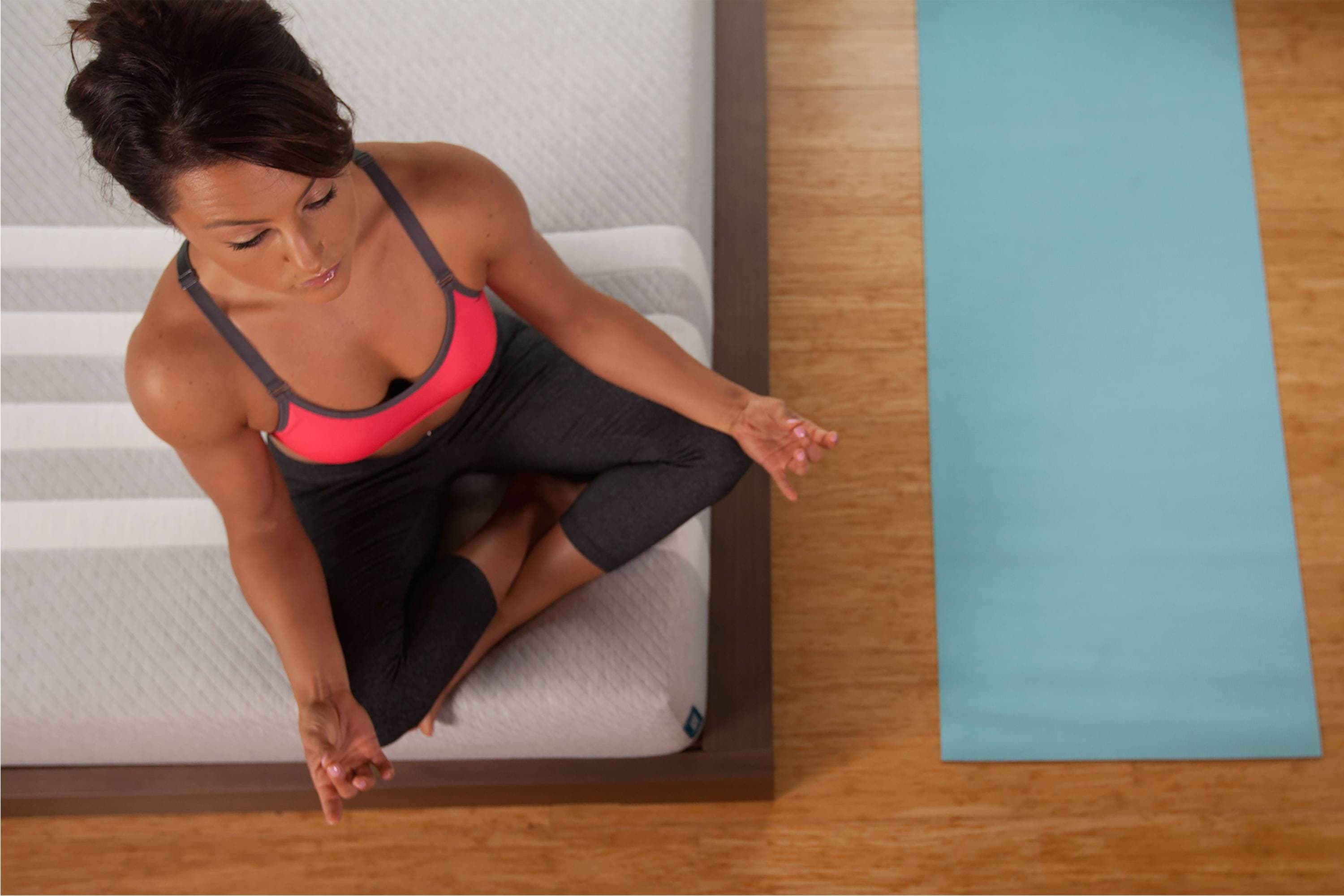
Practice Relaxation Techniques: Methods like deep breathing, a warm bath, and yoga can help reduce stress and improve sleep quality.
Tip #2: Make mental health a priority
Sleep and mental health are connected, and when days are darker and routines shrink, stress, anxiety, and seasonal mood changes can quietly creep in. Once your anxiety gets triggered, the opportunity for quality sleep goes out the window.
For many, the winter season tends to hit their mood first and sleep second, so addressing mental health is one of the most effective sleep upgrades. Check in with yourself regularly. Persistent sadness or sudden social withdrawal are signs your nervous system may need support.
Get Professional Support When Needed: A mental health professional can help you manage SAD, anxiety, or depression before they spiral into chronic sleep issues.
Create Emotional Wind-Down Cues: Journaling or meditation can help signal to your brain that it’s safe to power down.
Protect Your Sleep Environment: A cool, dark, quiet bedroom reduces sensory overload and gives your mind fewer reasons to stay alert at night.
Tip #3: Move more, sleep better
Chilly weather makes it easy to stay inside and do absolutely nothing. There's nothing wrong with getting cozy, but less movement often means more nighttime restlessness. Regular physical activity helps regulate sleep. It prepares your mind and body for deeper, more restorative rest.
You don’t need marathon training, either. Just try to get outside. Even a short winter walk can help. Always exercise earlier in the day, too. Intense workouts too close to bedtime can leave you wired and jittery. At night, you can stretch or do mobility work to help release tension without overstimulating your nervous system.
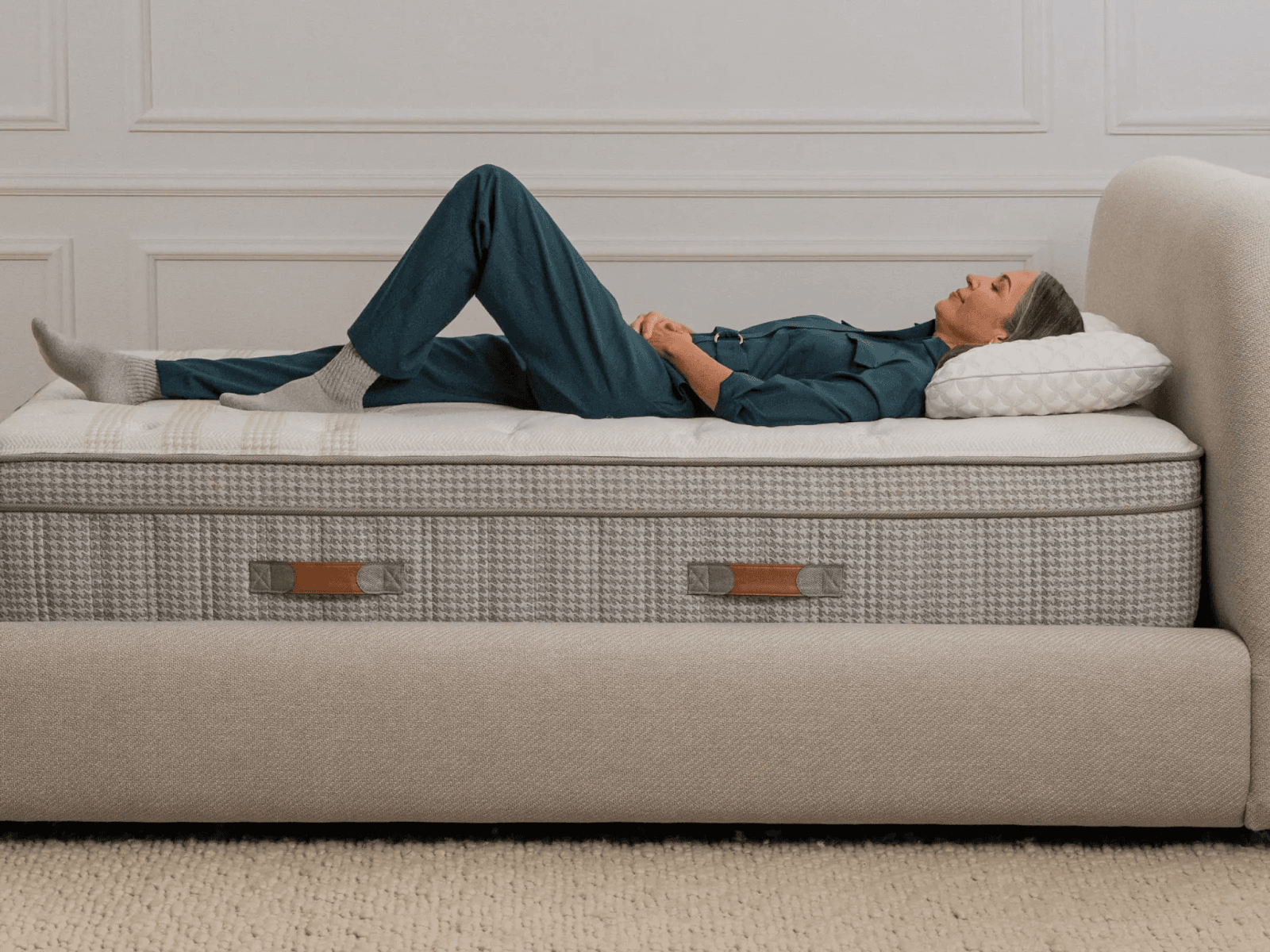
After a day of movement, school, or work, your body needs real recovery. Ease winter aches and create the ideal sleep environment with the pressure-relieving Leesa Reserve Hybrid, or upgrade your current bed with a Leesa Mattress Topper.
Both are designed to support muscles and joints while you sleep. When your body feels supported, falling asleep feels a lot less like work.
Tip #4: Better pain management means better sleep
Over 20% of Americans suffer from chronic pain. Combined with SAD or standard poor winter sleep, and the extra aches and stiffness that cold weather causes, you could be facing bad sleep quality throughout the winter months. If pain is keeping you up, treating sleep and pain as separate problems won’t work. They’re a team sport.
You need to create a pain-conscious bedtime routine. Steps like warm baths and heating pads help relax tight muscles before bed.
You should also:
Limit late-night stimulants: Caffeine and screens can increase pain sensitivity and disrupt sleep hormones.
Optimize your sleep setup: Supportive bedding reduces pressure points and prevents nighttime tossing that worsens pain.
Use pain management tools consistently: Whether that’s physical therapy or medication, consistency matters more than intensity.
The goal isn’t just falling asleep—it’s staying asleep comfortably. When pain is managed, your body finally gets the uninterrupted rest it needs to heal.
Upgrade your winter sleep with Leesa
Winter sleep deprivation is a serious issue, but there’s a light at the end of the tunnel. Proper mental health treatment, light therapy, and a good sleep environment can all help you rest better—even through the darkest days of the year.
The best gift you can give yourself this winter is the gift of better sleep. The Leesa 365-night risk-free trial gives you the time to settle into your new mattress. If it’s not the perfect fit, Leesa will handle the pickup and issue a full refund. There's no stress and no awkward logistics to navigate.
Better winter sleep is possible with Leesa.